Transport and e-commerce cartons
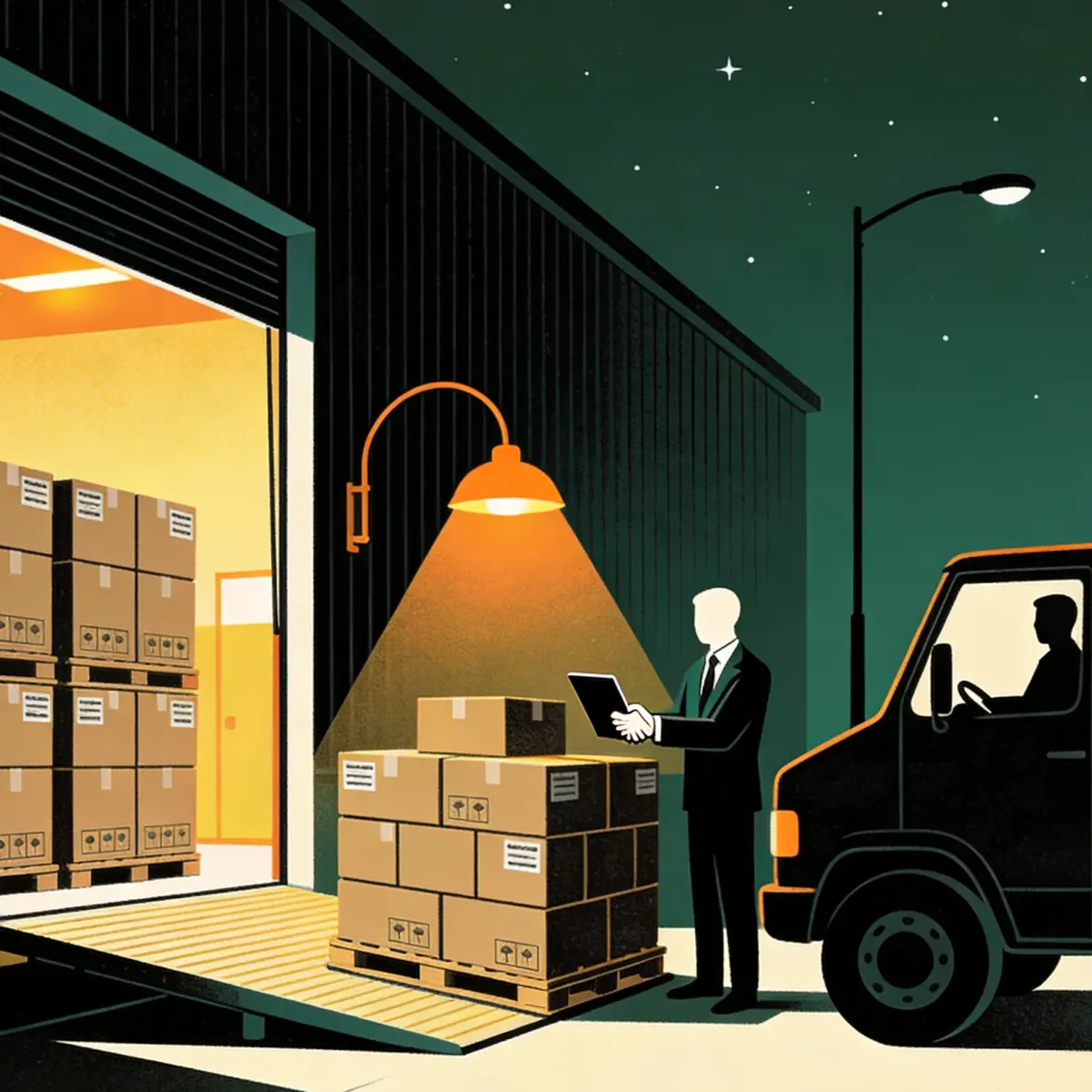
Grouped, transport and e-commerce packaging such as shipping cartons, cases and outer boxes that move goods to and within the EU.

Readiness for Regulation (EU) 2025/40, the Packaging and Packaging Waste Regulation, which applies from 12 August 2026 to all packaging placed on the EU market. Packaging mapped by component, recyclability and recycled content designed ahead of 2030, harmonised labelling prepared for 2028, and the producer line drawn between an Indian supplier and its EU importer.
For Indian exporters, brands, importers and converters whose packaging is placed on the European Union market.
PPWR Solutions by GreenSutra carry an Indian business through readiness for Regulation (EU) 2025/40, the Packaging and Packaging Waste Regulation, which applies from 12 August 2026 to all packaging placed on the EU market. One accountable engagement maps the packaging, draws the producer line, designs in recyclability and recycled content ahead of 2030, and prepares labelling for 2028.
The Packaging and Packaging Waste Regulation is the directly applicable European Union framework that replaces Directive 94/62/EC from 12 August 2026. It covers all packaging regardless of the material used and regardless of whether it originates inside or outside the European Union, so every format an exporter ships is in scope.
The duties sit with the producer. Under the Article 3(15) definition the producer is the manufacturer, importer or distributor that is established in a Member State and makes packaging available there for the first time, or that is established in a Member State or a third country and sells directly to end users in another Member State. For an Indian business shipping packaged goods to an EU buyer, the EU importer will be the producer and will carry the registration, extended producer responsibility, recycled-content and labelling duties.
The obligations are phased. From 12 August 2026 food-contact packaging must meet substance limits for PFAS and for lead, cadmium, mercury and hexavalent chromium. From 12 August 2028 packaging must carry a harmonised, pictogram-based material-composition label. From 1 January 2030 packaging must be recyclable within graded performance, plastic parts must carry minimum recycled content, an empty-space cap applies, single-use formats fall away, and reuse targets begin. Each 2030 duty is the calendar date or a fixed period after the Commission act, whichever is later.
PPWR covers all packaging on the EU market; the four format families below carry the design demands differently.
The Packaging and Packaging Waste Regulation applies to all packaging placed on the EU market regardless of material, so every format a business ships is in scope. The four families below group the packaging an Indian exporter typically sends to EU buyers, with the design demand that weighs most on each. The lines name representative formats rather than every covered item.
Grouped, transport and e-commerce packaging such as shipping cartons, cases and outer boxes that move goods to and within the EU.

Rigid sales packaging such as bottles, jars, tubs and containers, including single-use plastic beverage bottles and contact-sensitive formats.
Flexible plastic packaging such as pouches, films, wraps and laminates, where mono-material design lifts the recyclability grade.
Service and beverage packaging such as cups, lids and single-use food-service formats, some of which the Annex V bans reach from 2030.
A component-by-component check of which formats a business places on the EU market, and in what role, is the first step of every PPWR readiness review.
From a packaging audit and the producer line through designed-in recyclability and recycled content to label-ready artwork and EU registration.

Every primary, grouped, transport and e-commerce component will be inventoried by material and weight, food-contact items flagged, and the producer line drawn between the Indian supplier and the EU importer under Article 3(15).

Recyclability will be graded against the performance scale, mono-material and separable-component redesign planned, and the empty-space ratio reduced toward the 50 percent cap, ahead of the 2030 cut-offs.

Recycled content will be worked toward the differentiated 2030 thresholds for each plastic part, and the PFAS and heavy-metals limits will be confirmed for food-contact packaging against the 12 August 2026 substance restrictions.

Harmonised, pictogram-based material-composition labelling will be prepared for the 12 August 2028 requirement, and the recycled-content evidence and technical documentation the EU importer needs will be assembled.

The producer registration in each Member State, the extended producer responsibility position and any authorised-representative requirement will be mapped, with the filings kept current as the staggered deadlines arrive.
Packaging placed on the EU market is designed for recycling against a graded scale, carries measured recycled content, bears a harmonised label that drives sorting, and sits under producer responsibility registered in each Member State.
Packaging in defined formats, from cartons and bottles to pouches and cups, is placed on the EU market; from 12 August 2026 it falls under the Regulation regardless of material or origin.
From 1 January 2030, or a period after the delegated act if later, packaging must be recyclable within performance grades A, B or C, and within grades A or B only from 2038.
From 1 January 2030, or a period after the implementing act if later, each plastic part must carry a minimum recycled content that differs by packaging type, rising further from 2040.
From 12 August 2028 packaging must bear a harmonised, pictogram-based label of its material composition so consumers can sort it correctly.
The producer, the party that first makes the packaging available in a Member State under Article 3(15), registers in that State and carries extended producer responsibility.
Packaging placed on the EU market from 12 August 2026 must be designed for recycling against a graded scale, carry measured recycled content, and bear a harmonised material-composition label, with the producer that first makes it available in each Member State registered there. For an Indian exporter selling to an EU buyer, the EU importer is the producer under Article 3(15).
Two answers map a business onto the Packaging and Packaging Waste Regulation.
Two questions place a business against the Packaging and Packaging Waste Regulation: the packaging formats it sends to the EU market and the route by which they reach it. The result states where the obligations will sit and what to prepare next.
Two questions decide PPWR exposure: which packaging formats the business places on or ships to the EU market, and the route by which they reach it. A PPWR readiness review works through both with the packaging on the table.
Request a PPWR readiness review →No packaging is placed on or shipped to the EU market, so the Packaging and Packaging Waste Regulation will set no obligation for this trade. The Regulation applies from 12 August 2026 to all packaging placed on the EU market regardless of material, so the point to watch is any future shipment of packaged goods into the European Union, which will bring the design, recyclability, recycled-content and labelling demands into play.
For packaged goods sold to an EU buyer, the EU importer will be the producer under Article 3(15) and will carry the direct duties from 12 August 2026: national-register entry, extended producer responsibility, and ensuring the packaging meets the recycled-content, recyclability, minimisation and labelling rules. Those demands will flow back to the Indian supplier through buyer specifications and data requests, so readiness means a packaging inventory, food-contact substance checks and a design review started now, well ahead of the 2030 recyclability and recycled-content thresholds.
A business that makes or converts packaging supplies the design that the rules govern. From 1 January 2030, or a period after the relevant Commission act if later, packaging must be recyclable within graded performance and plastic parts must carry a minimum recycled content that differs by packaging type. Mono-material, separable-component design and the recycled-content evidence and technical documentation that EU customers will demand are the work, alongside harmonised-label-ready artwork for the 12 August 2028 labelling requirement.
A business that places packaged goods on the EU market through its own EU entity will itself be the producer under Article 3(15) from 12 August 2026. That carries the direct duties: registration in the national producer register of each Member State where packaging is made available, extended producer responsibility, and conformity with the recyclability, recycled-content, minimisation and labelling rules as each applies. Where the entity sells directly to end users across a Member State border, an authorised representative for extended producer responsibility may be required, though a December 2025 Commission proposal would suspend that obligation until 2035.
The route by which the packaging reaches the EU market is still being mapped, so where the obligations will sit cannot be fixed from the answers alone. The Regulation applies from 12 August 2026 to all packaging on the EU market regardless of material, and the producer, the party that first makes the packaging available in a Member State under Article 3(15), carries the duties. Confirming which formats the business places on the EU market, and by what route, is the first step of a PPWR readiness review.
For an exporter selling to EU buyers, the EU importer is the producer, so the readiness review builds the packaging data and evidence the buyer will demand.
For a packaging producer or converter, the readiness review centres on design for recycling, recycled content and the conformity documentation customers will require.
For an own EU entity, the readiness review maps the producer registration per Member State and the authorised-representative position.
Confirming the route to the EU market is part of the PPWR readiness review.
Answers stay in this browser. Nothing is sent until a contact channel is opened.
The Regulation runs from the packaging format through design, recycled content and labelling to the producer registered in each Member State, and a readiness review turns that path into a mapped, designed and documented position.
WhatsAppRequest a PPWR readiness review →What early packaging readiness earns an exporter and the EU importer it supplies.
Packaging that meets the substance limits, recyclability grades and labelling rules keeps goods moving into the EU market, where non-conforming packaging can be refused or withdrawn.
Mono-material design and recycled content built in ahead of the 2030 thresholds avoids a costly redesign once the requirements bite.
Recycled-content evidence and technical documentation supplied to the EU importer positions the Indian business as a preferred, low-friction supplier.
A staged plan against the 2026, 2028 and 2030 dates spreads the work and the cost, rather than meeting each cliff unprepared.

The reasons behind the reputation.
Engagements led by specialists who read Regulation (EU) 2025/40 article by article, so each duty is placed against the right date and the right party.
The Article 3(15) producer line drawn cleanly between the Indian supplier and its EU importer, so neither side over-reads nor misses its obligation.
Recyclability grading, mono-material redesign and recycled-content evidence handled with packaging-design and material expertise, not paperwork alone.
Audit, redesign, documentation, labelling and registration handled as one accountable engagement, or any stage standalone.
PPWR readiness delivered for Indian exporters, brands and converters from a Mumbai base, with the EU buyer relationship in view throughout.
The same design and documentation discipline, tuned to the format and the route to the EU market.
Indian exporters shipping to EU buyers supported with a packaging inventory, substance checks and the evidence the importer will demand.
Makers of cartons, bottles, pouches, films and cups guided through recyclability grading, recycled content and conformity documentation.
Brand owners selling into the EU helped to draw the producer line, prepare harmonised labelling and stage the design changes.
Companies importing through their own EU arm supported with national-register entry and the authorised-representative position.
Every packaging format carries the same design and documentation discipline, tuned to the exporter, converter or brand placing it on the EU market.
WhatsAppRequest a PPWR readiness review →Real packaging, recycling and EU compliance questions from the community, answered by the GreenSutra team.
What is ESRS?
The European Sustainability Reporting Standards are referred to as ESRS. Organizations that are subject to the Corporate Sustainbility Reporting Directive have to report according…
Answered by Team GreenSutra®→Q · 02Sustainability3,623 viewsWhat is CSRD?
CSRD stands for Corporate Sustainability Reporting Directive. Corporate Sustainability Reporting Directive is a regulatory framework introduced by the the European Union aimed at improving…
Answered by Team GreenSutra®→Q · 03Sustainability3,367 viewsWhat is GCP?
→Q · 04Sustainability2,746 viewsWhen do the Ecomark Rules 2024 come in force?
The Ministry of Environment, Forest and Climate Change (MoEFCC) on 26th Septmeber 2024 notified the Ecomark Rules 2024. The Ecomark Rules, 2024 came into force from 1st October 2024, the…
Answered by Team GreenSutra®→Q · 05Sustainability2,740 viewsWhat are the conditions for grant of Ecomark?
Under the Ecomark Rules 2024, an Ecomark may be granted to product(s) if they adhere or meet specific sustainability or environmental criterias such as…
Answered by Team GreenSutra®→Q · 06Sustainability2,734 viewsWhat is Greenwashing?
Greenwashing may be referred to as any practice or tatic that misrepresents, misleads, conceals by means of exaggerating, making vague, false or unsubstaintiated environmental…
Answered by Team GreenSutra®→Q · 07Sustainability2,719 viewsWhat is the procedure for grant of Ecomark?
The Ecomark Rules 2024 have come into force from 1st October 2024. Products that meet specific sustainability or environmental criteras may be granted an…
Answered by Team GreenSutra®→Q · 08CBAM2,475 viewsWhat are the salient features of the Green Steel Taxonomy of India?
As per definitation, Green Steel shall be expressed as percentage of greenness of steel which is produced from the steel plant having emissions intensity…
Answered by Team GreenSutra®→A short conversation about the packaging formats placed on the EU market, the route they take and the EU buyers involved turns into a tailored PPWR plan. Schedule a call directly or send a written brief.
Pick the service and a slot; a practitioner takes the call.
Reading on packaging, waste and the circular economy from the GreenSutra journal.
Maintained by GreenSutra · Last reviewed June 2026