LCA – Life Cycle Assessment

Life cycle assessment measures the environmental impact of a product, process or service across its whole life, from raw material extraction through manufacture, distribution, use and end of life. Each study follows the ISO 14040 and ISO 14044 framework across four phases, goal and scope, inventory, impact assessment and interpretation, and extends to product carbon footprints to ISO 14067 and Environmental Product Declarations to ISO 14025, delivered across India by a specialist as one accountable engagement.

ISO 14040 · ISO 14044Cradle to grave scopePan India delivery

Reviewed by Team GreenSutra · Updated 18 June 2026

On recordStandardsIS/ISO 14040 · 14044ScopeCradle to gravePhasesFour phasesCarbon footprintISO 14067DeclarationISO 14025 EPDBaseMumbai · Pan India
01

From product footprint to measured environmental impact

Measure, manage and mitigate environmental impact across the full life of a product.

A life cycle assessment, or LCA, evaluates the environmental impact of a product, process or service across its entire life cycle, from raw material extraction and processing through manufacture, distribution, use and final disposal. Unlike a single number, a life cycle assessment looks at many impact categories at once, so the result shows not only the carbon footprint but also the demands placed on water, land and finite resources.

Every assessment follows the globally recognised ISO 14040 principles and the ISO 14044 requirements, adopted in India as IS/ISO 14040 and IS/ISO 14044, moving through four phases: goal and scope definition, life cycle inventory, life cycle impact assessment and interpretation. Where a verified output is needed, the study extends to a product carbon footprint under ISO 14067 or an Environmental Product Declaration under ISO 14025. The three outputs map onto distinct standards, so a request for one is rarely a request for another:

Life cycle assessment, Environmental Product Declaration and product carbon footprint compared
OutputGoverning standardWhat it reports
Life cycle assessmentISO 14040 and ISO 14044.A full multi-impact study across the life cycle, covering several environmental categories together.
Environmental Product DeclarationISO 14025 Type III declaration, with EN 15804 for construction products.A third party verified declaration of life cycle results against Product Category Rules, so declarations from different programmes compare.
Product carbon footprintISO 14067.A single climate indicator, the greenhouse gas emissions of a product across its life cycle.

The value of a life cycle assessment is the evidence it produces: it identifies the environmental hotspots that drive cost and impact, informs decisions on materials, design and process, prepares an organisation for regulatory and procurement requirements, and provides a measured baseline that makes redesign, substitution and reduction provable rather than asserted.

Based in Mumbai and operating as an Indian origin sustainability practice since 2016, GreenSutra delivers life cycle assessment for products and operations across India, and brings the same accounting discipline to organisations worldwide. The methodology in full, the four ISO phases, the boundary approaches, the impact categories and how an LCA, an EPD and a product carbon footprint differ, is set out in the life cycle assessment guide.

02

Process of LCA

How a life cycle assessment engagement runs, from goal and scope to a reported, declarable result.
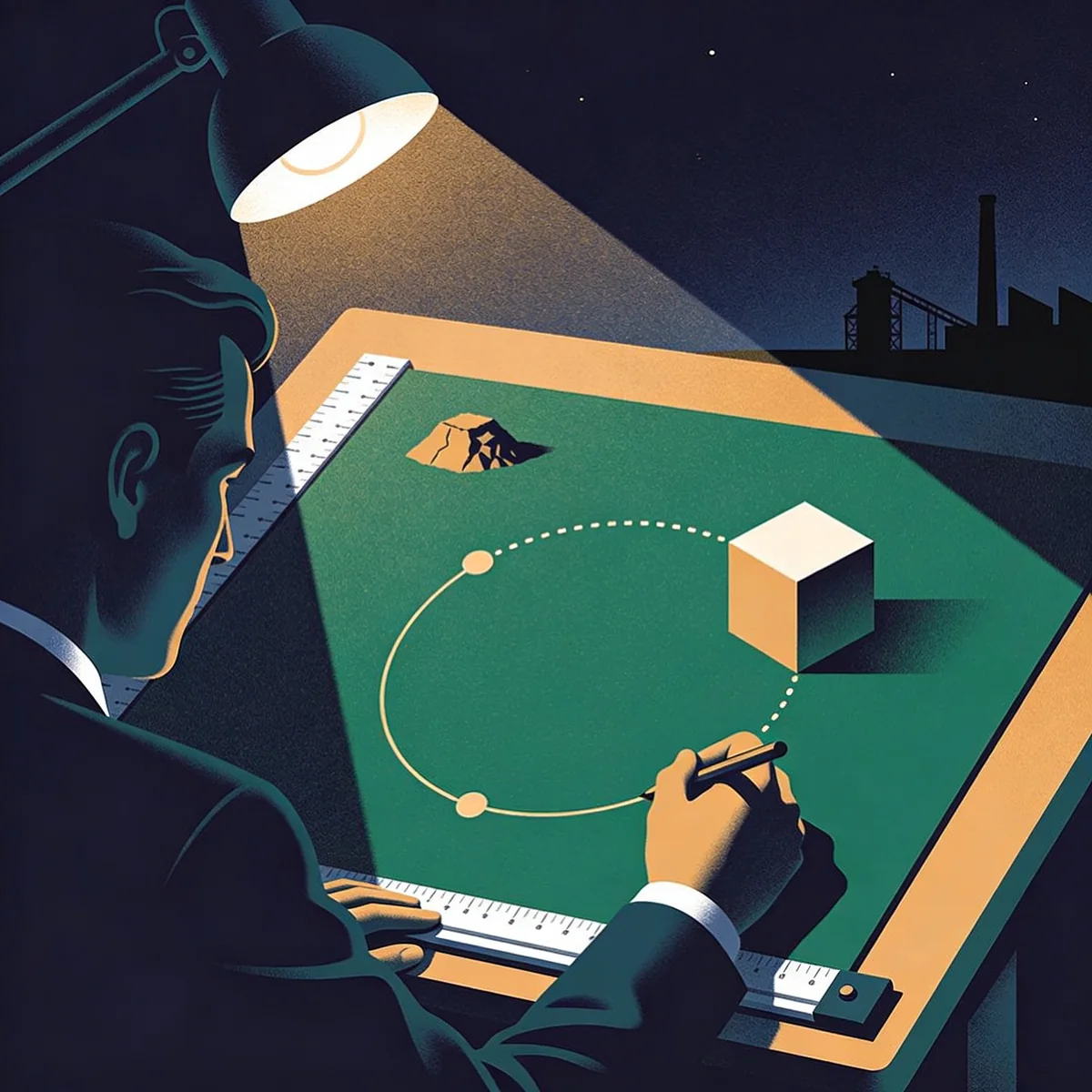
Consultant defining the goal, scope, functional unit and system boundary of a life cycle assessment on a worksheet
01

Goal and scope definition

The goal, intended use and audience are agreed, then the functional unit and the system boundary are set, cradle to grave, cradle to gate or another boundary that fits the question. Data quality and impact categories are fixed here, so every later result is comparable.
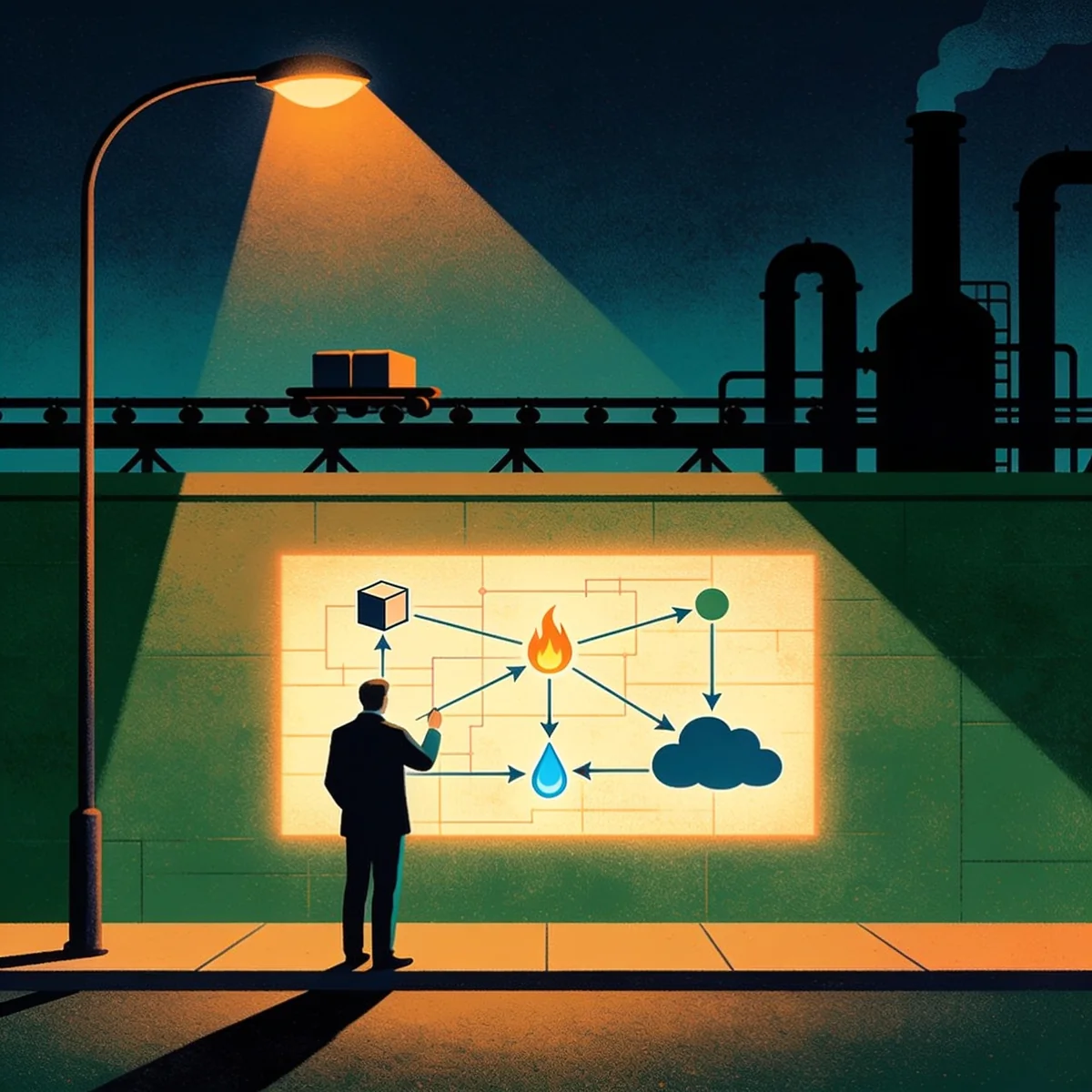
Life cycle inventory of material, energy and emission flows compiled across a product system at night
02

Life cycle inventory

Every input and output across the life cycle is compiled, the materials, energy, water, emissions and waste tied to each stage. Primary plant data is combined with recognised background datasets to build a transparent inventory against the functional unit.
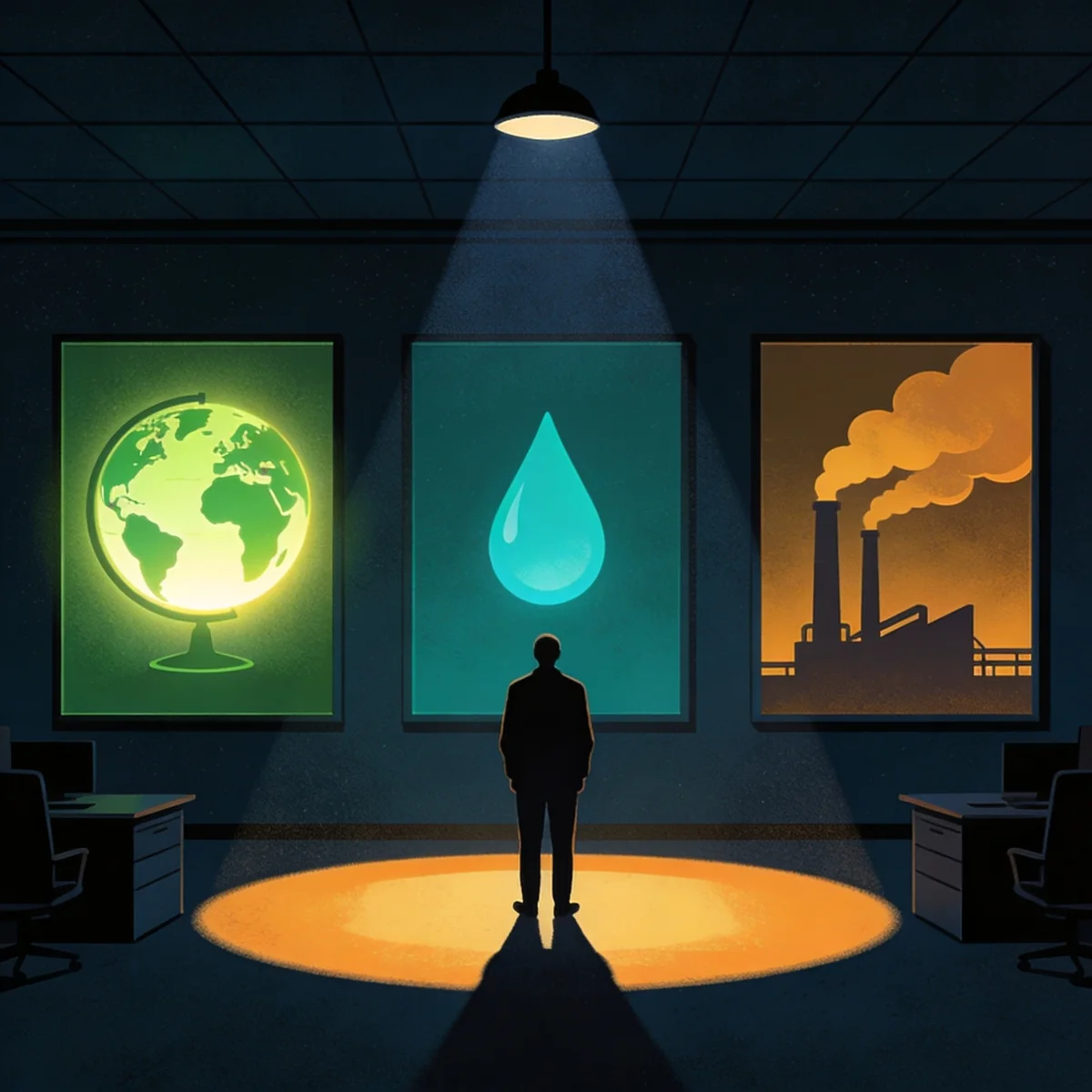
Life cycle impact assessment results shown across global warming, acidification and water use categories on a studio screen
03

Life cycle impact assessment

The inventory is translated into environmental impact across categories such as global warming potential, acidification, eutrophication, water use and resource depletion. Results are classified and characterised so the picture covers more than carbon alone.
Analyst interpreting LCA results to identify environmental hotspots across a product life cycle
04

Interpretation

The results are read against the goal, environmental hotspots are identified, and sensitivity and completeness are tested. Conclusions and reduction options follow, with the limitations of the study stated plainly.

Final ISO 14044 life cycle assessment report with an Environmental Product Declaration summary on a desk
05

Reporting and declaration

The assessment is reported to the requirements of ISO 14044, and where a verified output is needed it is taken forward as a product carbon footprint to ISO 14067 or an Environmental Product Declaration to ISO 14025.

03

The four phases of a life cycle assessment

Goal and scope, inventory, impact assessment and interpretation, applied iteratively to a defined functional unit, following the ISO 14040 framework.

The four phases of a life cycle assessment under ISO 14040Technical drawing of the life cycle assessment framework defined by ISO 14040 and ISO 14044. A study proceeds through four phases shown as numbered stations: goal and scope definition, which sets the functional unit and the system boundary; life cycle inventory analysis, which compiles the inputs and outputs across the product life cycle; life cycle impact assessment, which converts the inventory into environmental impact across categories such as global warming potential, acidification, water use and resource depletion; and interpretation, which reads the results against the goal and identifies the environmental hotspots. A forward flow links the phases and a dashed loop returns from interpretation to the earlier phases, since the framework is iterative. Every phase references the shared functional unit, the quantified description of the product function. The standards are ISO 14040, ISO 14044, and in India IS/ISO 14040 and IS/ISO 14044.1122334455667788AABBCCDDEEFFSTANDARDSISO 14040ISO 14044IS/ISO 14040IS/ISO 14044GOAL & SCOPEFUNCTIONAL UNIT01INVENTORY ANALYSISINPUTS & OUTPUTS02IMPACT ASSESSMENTIMPACT CATEGORIES03INTERPRETATIONAGAINST THE GOAL04PHASE FLOW · NTSITERATIVE · THE STUDY REVISITS EARLIER PHASESPURPOSE · BOUNDARY · UNITINPUTOUTPUTMATERIAL · ENERGY · EMISSION FLOWSCOMPILED PER FUNCTIONAL UNITGWP · ACID · WATER · RESCLASSIFIED · CHARACTERISEDHOTSPOTS · SENSITIVITYREAD AGAINST THE GOALFUNCTIONALUNITTHE SHARED REFERENCEKEYPHASE FLOWFUNCTIONAL UNITITERATIONDRAWINGLCA FRAMEWORKSTATUSDWG NOGS·LCA·02REVBDATE2026·06
01Goal and scope

The purpose is set and the functional unit and system boundary are defined, fixing what the study includes and the basis on which results compare.

02Inventory analysis

The life cycle inventory compiles the material, energy and emission flows for every stage, referenced to the functional unit.

03Impact assessment

The inventory is converted into environmental impact across categories such as global warming, acidification, eutrophication and water use.

04Interpretation

Hotspots are identified, sensitivity is tested, and conclusions and recommendations are drawn, feeding back into scope where needed.

The four phases defined by ISO 14040 run in order yet remain iterative, since interpretation can send the study back to refine the goal, the inventory or the boundary. ISO 14044 adds the reporting requirements, and a critical review where a public comparative assertion is made. The functional unit holds the assessment together, so every input, output and impact stays comparable.

04

Approaches of Life Cycle Assessment

The system boundary decides which life cycle stages a study covers. Five common approaches.

The product life cycle and the five LCA approachesTechnical drawing of the product life cycle unfolded into seven stations on a ground line: inception, which fixes the goal, scope and functional unit; procurement of raw materials; manufacture; packaging; delivery; use; and end of life discard. Logistics transport legs connect the stages and a recovery loop returns from discard to procurement, since the life cycle can be circular. The system boundary of a study decides which stages it covers, and the five common approaches are shown as labelled scope spans: cradle to grave covers extraction through manufacture, distribution and use to disposal; cradle to gate covers extraction to the factory gate, the upfront embodied impact; cradle to cradle is the circular variant where end of life material feeds new production; gate to gate covers a single process step; and well to wheel applies to fuels and energy, combining well to tank and tank to wheel. Every stage references the shared functional unit fixed at inception.1122334455667788AABBCCDDEEFFINCEPTIONGOAL · UNIT00PROCUREMENTSOURCING01MANUFACTUREPROCESSING02PACKAGINGPACK & FILL03DELIVERYDISTRIBUTION04USEIN SERVICE05DISCARDEND OF LIFE06LOGISTICSLOGISTICSLOGISTICSLOGISTICSLOGISTICSCRADLE TO CRADLE · RECOVERY FEEDS NEW PRODUCTIONCRADLE TO GRAVE · THE WHOLE LIFECRADLE TO GATEWELL TO WHEEL · FUELS & ENERGYGATE TO GATEKEYLIFE CYCLE FLOWCRADLE TO CRADLEAPPROACH SCOPEDRAWINGLIFE CYCLE & APPROACHESSTATUSDWG NOGS·LCA·03REVADATE2026·06

The product life cycle unfolded, from inception through procurement, manufacture, packaging, delivery and use to end of life, with logistics on every leg and recovery feeding new production. Each approach below is a scope over these stages, set by the system boundary fixed during goal and scope.

01

Cradle to grave

The full life cycle, from raw material extraction through manufacture, distribution and use to end of life disposal. The default scope for a complete environmental picture.

02

Cradle to gate

A partial assessment from extraction to the factory gate, before distribution and use. It captures the upfront, embodied impact of a material or product.

03

Cradle to cradle

A circular variant where end of life material feeds new production rather than disposal, assessing recovery and recycling back into the loop.

04

Gate to gate

A single process step inside the life cycle, useful for analysing one stage of manufacture in detail and for building up larger assessments.

05

Well to wheel

Applied to fuels and energy, combining well to tank and tank to wheel, the extraction and processing of a fuel and its use in a vehicle.

05

Benefits of Life Cycle Assessment

What a measured, multi-category assessment earns an organisation.

B·01

Environmental hotspots identified

A life cycle assessment shows which stages and materials drive impact, so reduction effort and investment target the points that matter most rather than the most visible ones.

B·02

Eco-design and cost efficiency

Material substitution, lighter design and process change are tested against a measured baseline, lowering environmental impact and often material and energy cost together.

B·03

Regulatory and procurement readiness

Environmental Product Declarations and product carbon footprints answer tenders, green public procurement and disclosure requirements with verified, comparable evidence.

B·04

Market credibility

A third party verified EPD and a transparent assessment give buyers, investors and regulators evidence they can check, replacing unsupported environmental claims.
Eco-design decision informed by a cradle to grave life cycle assessment, with a product, a recycling loop and a rising performance chart
Measured evidence that informs design and earns trust
06

Why GreenSutra for life cycle assessment

The reasons behind the reputation.

R·01

ISO 14040 and 14044 method

Every assessment runs through the four ISO phases, goal and scope, inventory, impact assessment and interpretation, so the result is defensible and comparable.

R·02

Multi-category, not carbon alone

A full life cycle impact assessment covers water, land, resources and acidification alongside global warming potential, so trade offs between impacts stay visible.

R·03

Declarations delivered

Product carbon footprints to ISO 14067 and Environmental Product Declarations to ISO 14025 are produced from the same study, ready for buyers and procurement.

R·04

End to end delivery

Goal and scope through inventory, modelling, interpretation, reporting and declaration handled as one accountable engagement.

R·05

Mumbai based, pan India

Life cycle assessment delivered for products and operations across India from a Mumbai base since 2016, in an evidence first house style.

07

FAQs About Life Cycle Assessment (LCA)

Q·01What is the purpose of a life cycle assessment?
A life cycle assessment quantifies the environmental impact of a product, process or service across its full life cycle, from raw material extraction through manufacture, distribution, use and end of life. The purpose is to find where impact concentrates, compare options on a like for like basis, and support reduction, eco-design and credible environmental claims.
Q·02How does a life cycle assessment differ from a carbon footprint?
A carbon footprint measures greenhouse gas emissions in a single impact category, global warming potential. A full life cycle assessment evaluates several categories at once, such as acidification, eutrophication, water use and resource depletion, across the whole life cycle. A product carbon footprint to ISO 14067 sits inside that wider assessment.
Q·03What is an Environmental Product Declaration (EPD)?
An Environmental Product Declaration is a third party verified Type III declaration under ISO 14025 that reports a product's life cycle environmental performance against Product Category Rules. The underlying study follows ISO 14040 and 14044, and an EPD is widely used in construction and procurement.
Q·04How much does a life cycle assessment cost?
The cost of a life cycle assessment depends on the scope rather than a single rate. The main drivers are the system boundary chosen, cradle to gate or the wider cradle to grave, the number of products and impact categories assessed, the availability of primary data against reliance on background datasets, and whether a verified output such as an Environmental Product Declaration or a product carbon footprint is needed. A focused study on one product with good primary data sits at one end, and a multi product, third party verified programme at the other. Goal and scope definition fixes these variables, which is why a tailored proposal follows a short briefing rather than a fixed price.
Q·05Is an LCA or EPD required to export products into the EU?
There is no single universal rule that a life cycle assessment or Environmental Product Declaration must accompany every product entering the EU. The requirement is sector and regulation specific. For construction products, the revised Construction Products Regulation, Regulation (EU) 2024/3110, phases in a legal duty to declare life cycle environmental performance calculated in accordance with EN 15804. Other regimes such as the Digital Product Passport under the Ecodesign for Sustainable Products Regulation add life cycle data duties for further product groups over time, and importers of goods covered by the Carbon Border Adjustment Mechanism report embedded emissions under a dedicated EU method rather than through an EPD. Outside such specific regimes an LCA or EPD is generally voluntary, although buyers increasingly expect one.
Q·06What is the difference between ISO 14040 and ISO 14044?
ISO 14040 sets the principles and framework for life cycle assessment, and ISO 14044 sets the detailed requirements and guidelines for conducting one. Both were published in 2006 and adopted in India as IS/ISO 14040 and IS/ISO 14044. A defensible study cites both.
09

Request a life cycle assessment

A short conversation about the product, the boundary and the output needed turns into a tailored LCA plan. Schedule a call directly or send a written brief.

01Schedule a call

Pick the service and a slot; a practitioner takes the call.

02Write to us
Contact Us
Preferred reply channel

Life cycle assessment to ISO 14040 and 14044 across IndiaRequest an LCA scoping call