Sustainable Events for India, Singapore, UAE, USA, EU, World

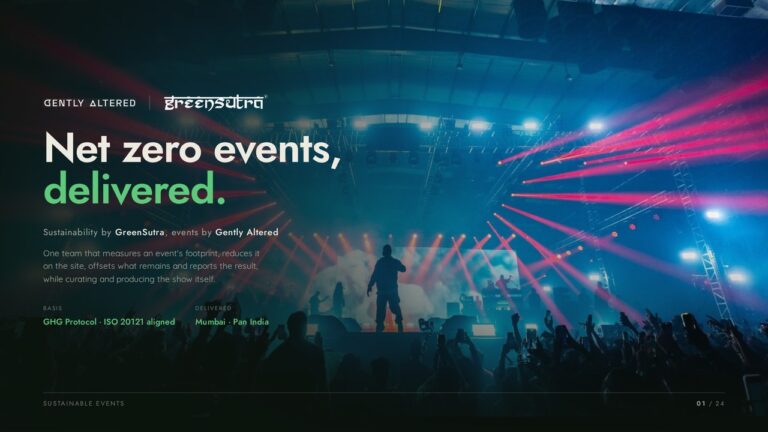
End to end sustainability for events, from the carbon footprint of power, travel, logistics, food and waste to the reductions that follow. Footprint measurement on the GHG Protocol, load assessment with green power procurement, event waste management, the Live Recycling Studio and verified offsetting, aligned to ISO 20121 and delivered as one accountable engagement from Mumbai across India, so an event leaves a measured and lighter mark.

Measure · Reduce · OffsetISO 20121 alignedPan India delivery
On recordManagement standardISO 20121 alignedEmissions basisGHG Protocol Scope 1, 2, 3Green powerOpen access from 100 kWWasteSegregation and live recyclingReportingPre and post event footprintBaseMumbai · Pan India
01

From an event footprint to a measured reduction

For organisers, brands, venues and production houses behind events of every scale.

A sustainable event is one whose environmental impact is measured, reduced and reported rather than assumed. Events are carbon intensive. Power and diesel generators, attendee and crew travel, freight and ground logistics, food and beverage, production materials and waste each carry emissions that, on the GHG Protocol, span Scope 1 on-site fuel, Scope 2 purchased electricity and Scope 3 across the value chain.

Sustainable Events by GreenSutra start by quantifying that footprint, then engineer the reductions. A load assessment predicts the power an event needs, maximises venue house power and displaces diesel generators, and where the connected load reaches 100 kW the event becomes eligible to procure renewable power through green energy open access. Waste is segregated at source, and the Live Recycling Studio turns event plastic into lifestyle products in front of the audience, so the offset becomes visible rather than abstract.

The work aligns to ISO 20121, the international standard for an event sustainability management system, and reports in the language of the GRI Standards. Design and consultancy reduce waste at source, the residual footprint is offset through verified credits, and a pre and post event report closes the loop with numbers a sponsor and a venue can stand behind.

Based in Mumbai and delivering across India, GreenSutra carries the engagement end to end, from the first footprint estimate to the final report, or any stage standalone, so the mark an event leaves is one its organisers chose rather than one they discovered afterwards.

02

How a Sustainable Events engagement runs

From a measured baseline to a reduced, offset and reported event.

Consultant mapping an event footprint across power, travel, food and waste on a planning board beside a venue floor plan
01

Scope and baseline

The event boundary set by type, scale, venue, duration and audience, then the carbon footprint estimated across power, travel, logistics, food and beverage, materials, waste and digital on the GHG Protocol.
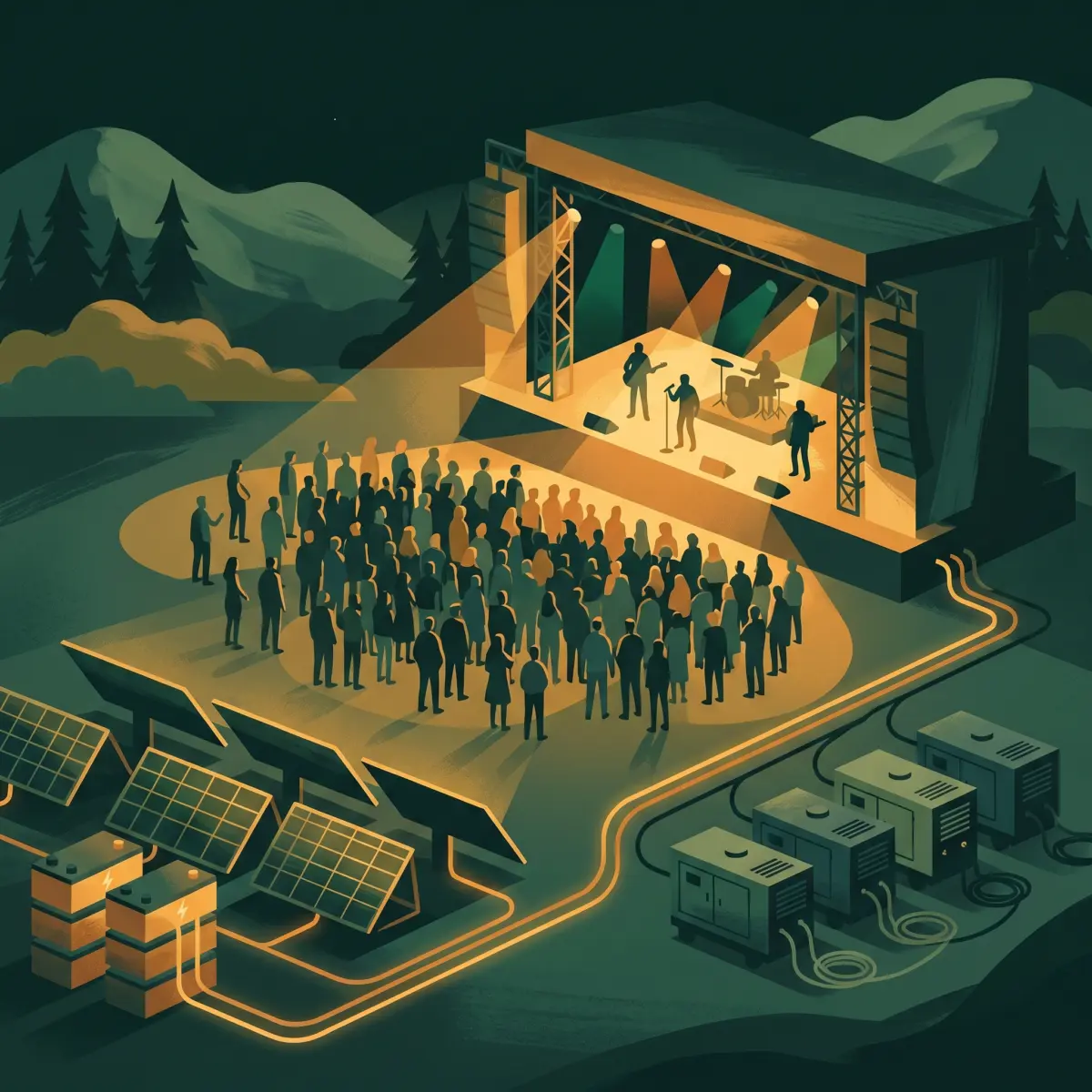
Event power layout showing venue supply and a solar feed replacing diesel generators with a load chart on a tablet
02

Load assessment and green power

The connected load predicted, venue house power maximised and diesel generators displaced, with renewable power procured through green energy open access where the load reaches the 100 kW threshold, set against the cost of running generators.

Live recycling studio at an event turning sorted plastic into lifestyle products while visitors watch
03

Waste management and live recycling

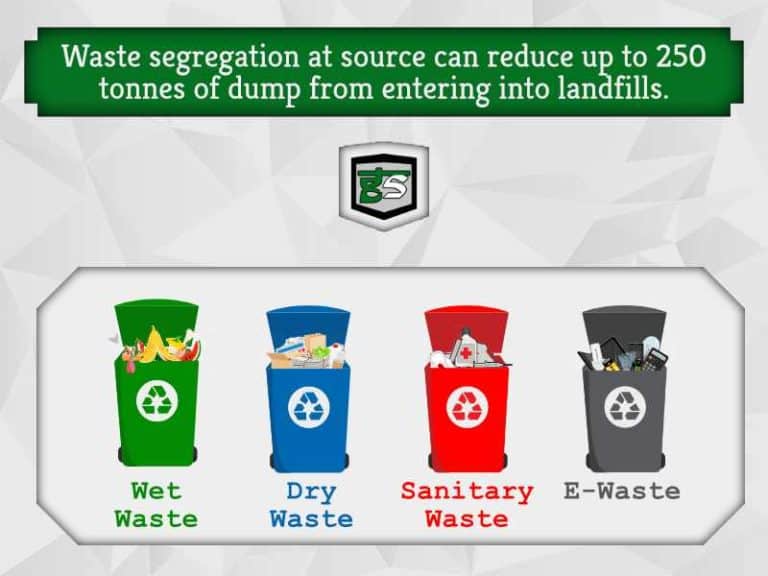
Waste segregated at source across the event footprint, single-use plastic designed out under the Indian rules, and the Live Recycling Studio turning event plastic into jewellery, home decor and accessories in front of the audience.

Event sustainability campaign panel beside a tree planting and a verified carbon credit certificate
04

Reduce, offset and engage

The footprint cut through design and procurement choices, the residual balance offset through verified carbon credits, and a consumer engagement campaign carrying the reduction into the brand story of the event.

Event sustainability report on a screen showing before and after carbon figures beside an ISO 20121 reference
05

Report and certify

A pre and post event footprint report prepared in the language of the GRI Standards and aligned to ISO 20121, with the measured reduction documented for sponsors, the venue and the audience.

03

How an event footprint becomes a measured reduction

The event footprint is quantified, the energy and waste reduced, the residual offset, and the whole reported against ISO 20121.

How an event footprint becomes a measured reductionTechnical drawing of the sustainable events mechanism. An event footprint is quantified across power, travel, logistics, food and beverage, materials, waste and digital on the GHG Protocol across Scope 1, 2 and 3. The energy is reduced through a load assessment that maximises venue house power, displaces diesel generators and procures green power through open access where the connected load reaches 100 kW. Waste is recovered through segregation and the Live Recycling Studio. The residual footprint is offset through verified carbon credits, and the result is measured and reported against ISO 20121 and the GRI Standards.1122334455667788AABBCCDDEEFFSTANDARDSISO 20121GHG PROTOCOLGRI STANDARDSOPEN ACCESS 100 kWFOOTPRINTQUANTIFIED · SCOPE 1·2·301ENERGYREDUCED · GREEN POWER02WASTERECOVERED · LIVE RECYCLING03RESIDUALOFFSET · VERIFIED CREDITS04REPORTISO 20121 · GRI05MEASURE · REDUCE · OFFSETFOOTPRINTTHE EVENTLOAD kWGREEN POWER · 100 kWRECYCLED %BDETAIL B · LIVE RECYCLINGSEGREGATERESIDUALVERIFIED CREDITSSTREAMINGPRE AND POSTKEYMEASURED FOOTPRINTREDUCTION · GREEN POWERDIGITAL FOOTPRINTON-SITE POWERDRAWINGEVENT REDUCTION FLOWSTATUSDWG NOGS·EVT·02REVADATE2026·06
01Footprint quantified

Power, travel, logistics, food and beverage, materials, waste and digital are measured on the GHG Protocol across Scope 1, 2 and 3 to set the baseline.

02Energy reduced

A load assessment maximises venue house power, displaces diesel generators and procures green power through open access where the load reaches 100 kW.

03Waste recovered

Waste is segregated at source and the Live Recycling Studio turns event plastic into lifestyle products on site, making the recovery visible.

04Residual offset

The remaining footprint is offset through verified carbon credits, with a consumer engagement campaign carrying the reduction into the event story.

05Measured and reported

A pre and post event report aligned to ISO 20121 and the GRI Standards documents the measured reduction for sponsors, the venue and the audience.

An event footprint measured on the GHG Protocol across power, travel, logistics, food, materials and waste is reduced through load assessment, venue house power and green power open access, with waste segregated and the Live Recycling Studio recovering plastic on site. The residual balance is offset through verified credits, and a pre and post event report aligned to ISO 20121 documents the reduction.

04

Event sustainability self-check

Two answers map an event onto the reductions that move the footprint most.

Two questions place an event against its own footprint: the emission sources it will involve, and the power it will draw. The result states where the reduction sits and what to confirm next.

Two questions decide where an event reduction sits: the emission sources the event will involve, from power and generators to travel, logistics, food and waste, and the connected electrical load that decides whether green power through open access applies. An event footprint review works through both with the figures on the table.

Request an event footprint review

Answers stay in this browser. Nothing is sent until a contact channel is opened.

The footprint runs from power and travel through waste to a residual balance, and a footprint review turns that path into a measured, reduced and reported event.

Request an event footprint review
05

Benefits of sustainable events

What a measured, reduced and reported event earns an organiser and a brand.

B·01

Footprint in numbers

A measured carbon footprint on the GHG Protocol rather than an assumption, so the event story rests on figures a sponsor and a venue can stand behind.

B·02

Cost and carbon cut

Venue house power and green power through open access displace diesel generators, cutting both the energy bill and the emissions of the event.

B·03

Visible recovery

Waste segregated and the Live Recycling Studio turning plastic into lifestyle products on site, so the recovery is a visible part of the event.

B·04

Credible reporting

A pre and post event report aligned to ISO 20121 and the GRI Standards, with verified offsets, so the claims hold up to scrutiny.
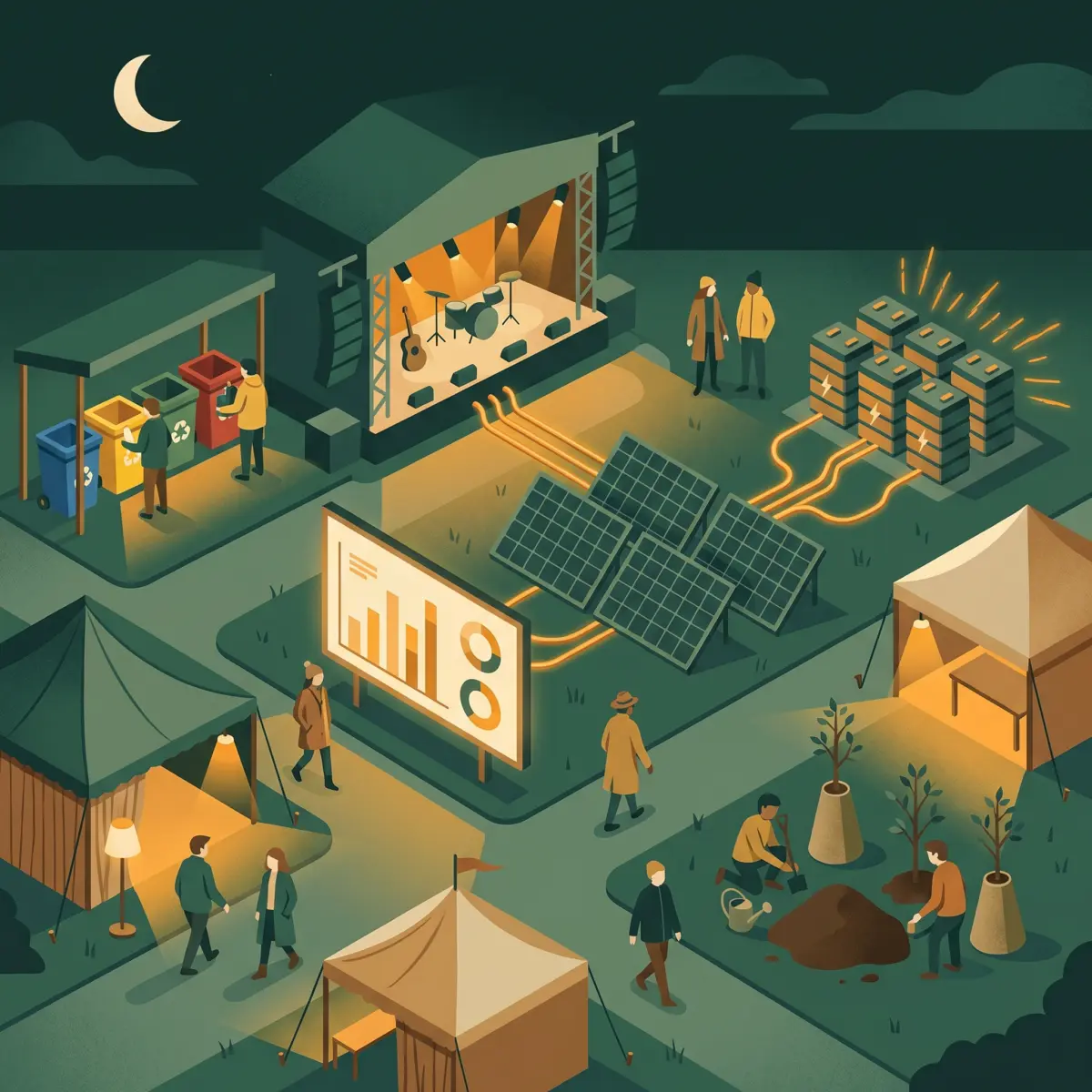
An event powered by solar with a live recycling studio and a before and after carbon report on a screen
Footprint turned into a measured reduction
06

Why GreenSutra leads sustainable events

The reasons behind the reputation.

R·01

Measurement first

Every engagement opens with a measured footprint on the GHG Protocol, so the reductions that follow are the ones that move the number.

R·02

Power expertise

Load assessment and green power through open access drawn from a working solar and energy practice, not a slide about renewables.

R·03

The Live Recycling Studio

An on-site set-up that turns event plastic into lifestyle products in front of the audience, making the offset visible.

R·04

End to end delivery

Footprint, power, waste, offset and reporting handled as one accountable engagement, or any stage standalone.

R·05

Mumbai based, pan India

Sustainable events delivered for organisers and brands across India from a Mumbai base.

07

Built for every kind of event

The same measure, reduce and offset discipline, tuned to the format and the audience.

01

Fashion weeks and shows

High production footprints and plastic-heavy sets, where live recycling and waste segregation carry visible impact and a strong brand story.

02

Conferences and summits

Travel-led footprints, where measurement, green power and a verified offset of the residual carry the credibility delegates expect.

03

Festivals and concerts

Large crowds and heavy power loads, where load assessment and green power through open access displace diesel generators at scale.

04

Corporate events and weddings

Boutique events, where single-use plastic is designed out, food waste is managed and the footprint is offset and reported.

Every kind of event carries the same measure, reduce and offset discipline, tuned to its scale, its venue and its audience.

Request an event footprint review
08

Sustainable events questions, answered

Q·01What are sustainable events?
Sustainable events are events whose environmental impact is measured, reduced and reported rather than assumed. The work covers the carbon footprint of power, travel, logistics, food and beverage, materials and waste, the reductions that follow through load assessment, green power, waste management and live recycling, the offsetting of the residual balance through verified credits, and a pre and post event report aligned to ISO 20121.
Q·02What is ISO 20121?
ISO 20121 is the international standard for an event sustainability management system, revised in 2024. It sets out a plan, do, check, act cycle for events of every type and size, covering the way an organiser identifies issues, engages stakeholders, sets objectives and improves the sustainability of the event over time. A sustainable events engagement aligns to ISO 20121 and reports in the language of the GRI Standards.
Q·03How is an event carbon footprint measured?
An event carbon footprint is measured on the GHG Protocol across three scopes: Scope 1 for on-site fuel such as diesel generators, Scope 2 for purchased electricity, and Scope 3 for the value chain, which covers attendee and crew travel, freight and logistics, food and beverage, materials, waste and digital streaming. The boundary is set by the event type, scale, venue, duration and audience, then each source is quantified to a baseline.
Q·04How can an event use renewable power?
An event reduces its energy footprint first through a load assessment, which predicts the connected load, maximises venue house power and displaces diesel generators. Where the connected load reaches 100 kW, the event becomes eligible to procure renewable power through green energy open access under the 2022 rules, so the supply itself can be green rather than only efficient.
Q·05Why replace diesel generators at events?
A diesel generator emits on the order of 2.7 kg of carbon dioxide for every litre of diesel burned, alongside local air pollution. A load assessment predicts the power an event actually needs, draws as much as possible from venue house power, and procures green power where the load allows, so the number of generator hours falls. The result cuts both the energy cost and the emissions of the event.
Q·06What is the Live Recycling Studio?
The Live Recycling Studio is a GreenSutra on-site set-up that recycles the plastic waste generated at an event in real time into lifestyle products such as jewellery, home decor and accessories. It makes the recovery a visible part of the event rather than a line in a later report, and the products carry both a monetary and an environmental value that supports the offset story.
Q·07How is event waste managed?
Event waste is characterised and quantified, then segregated at source across the footprint into the relevant streams. Single-use plastic identified items are designed out under the Indian rules in force since 2022, plastic packaging is handled under the Plastic Waste Management Rules, and recoverable plastic is routed to the Live Recycling Studio, so as much material as possible is recovered rather than landfilled.
Q·08How does an event offset its footprint?
After the footprint is measured and the practical reductions are made, the residual balance is offset through verified carbon credits. Offsetting is the last step rather than the first, so the offset covers only what could not be reduced, and the offset volume is documented against the measured footprint in the report so the claim is evidenced rather than asserted.
Q·09Can a small event be sustainable?
Yes. The same measure, reduce and offset discipline scales down to a boutique event, a conference or a wedding. A short footprint review sets the baseline, the practical reductions are made on power, food and waste, the residual is offset, and even a small event aligned to ISO 20121 keeps the discipline ready as it grows.
Q·10How is the result reported?
The result is reported through a pre and post event footprint report prepared in the language of the GRI Standards and aligned to ISO 20121. It documents the baseline footprint, the reductions made across power, waste and the rest, the offset applied to the residual, and the measured reduction the event achieved, so sponsors, the venue and the audience see numbers rather than claims.
Q·11Which events does GreenSutra work with?
GreenSutra works across fashion weeks and shows, conferences and summits, festivals and concerts, and corporate events and weddings. The mix of reductions shifts with the format, from live recycling at production-heavy shows to green power at high-load festivals and travel offsetting at delegate-led conferences, but the measure, reduce and offset discipline stays the same.
Q·12Where does GreenSutra deliver sustainable events?
GreenSutra is based in Mumbai and delivers sustainable events for organisers and brands across India. The engagement runs end to end, from the first footprint estimate through power, waste and offset to the final report, or any stage standalone where an event needs only one part of the work.
10

Asked at the Expert's Corner

Real sustainability and carbon questions from the community, answered by the GreenSutra team.

Q · 01Sustainability3,638 views

What is ESRS?

The European Sustainability Reporting Standards are referred to as ESRS. Organizations that are subject to the Corporate Sustainbility Reporting Directive have to report according…

Answered by Team GreenSutra®
Q · 02Sustainability3,630 views

What is CSRD?

CSRD stands for Corporate Sustainability Reporting Directive. Corporate Sustainability Reporting Directive is a regulatory framework introduced by the the European Union aimed at improving…

Answered by Team GreenSutra®
Q · 03Sustainability3,373 views

What is GCP?

Q · 04Sustainability2,752 views

When do the Ecomark Rules 2024 come in force?

The Ministry of Environment, Forest and Climate Change (MoEFCC) on 26th Septmeber 2024 notified the Ecomark Rules 2024. The Ecomark Rules, 2024 came into force from 1st October 2024, the…

Answered by Team GreenSutra®
Q · 05Sustainability2,746 views

What are the conditions for grant of Ecomark?

Under the Ecomark Rules 2024, an Ecomark may be granted to product(s) if they adhere or meet specific sustainability or environmental criterias such as…

Answered by Team GreenSutra®
Q · 06Sustainability2,740 views

What is Greenwashing?

Greenwashing may be referred to as any practice or tatic that misrepresents, misleads, conceals by means of exaggerating, making vague, false or unsubstaintiated environmental…

Answered by Team GreenSutra®
Q · 07Sustainability2,725 views

What is the procedure for grant of Ecomark?

The Ecomark Rules 2024 have come into force from 1st October 2024. Products that meet specific sustainability or environmental criteras may be granted an…

Answered by Team GreenSutra®
Q · 08CBAM2,481 views

What are the salient features of the Green Steel Taxonomy of India?

As per definitation, Green Steel shall be expressed as percentage of greenness of steel which is produced from the steel plant having emissions intensity…

Answered by Team GreenSutra®
11

Request an event footprint review

A short conversation about the event, its scale and its venue turns into a tailored measure, reduce and offset plan. Send a written brief and a practitioner takes it from there.

02Write to us
Contact Us
Sustainable Events measured, reduced and offset across IndiaRequest an event footprint review