Cement
Cement clinker, white and grey Portland cement, aluminous cement, other hydraulic cements and calcined kaolinic clays.


End to end Carbon Border Adjustment Mechanism (CBAM) compliance for exporters of cement, iron and steel, aluminium, fertilisers, electricity and hydrogen in India and worldwide, and for the EU importers who declare them. Embedded emissions measured, reported and planned for certificates, as one accountable engagement delivered from Mumbai.
Reviewed by Team GreenSutra · Updated 20 October 2026
For exporters of cement, iron and steel, aluminium, fertilisers, electricity and hydrogen, and the EU importers who declare them.
The Carbon Border Adjustment Mechanism (CBAM) is the European Union framework that prices the carbon emissions embedded in imported goods. Transitional reporting ran from October 2023 to December 2025, and the definitive regime has applied since 1 January 2026. CBAM covers six product groups: cement, iron and steel, aluminium, fertilisers, electricity and hydrogen. GreenSutra works as a CBAM consultant in India, carrying exporters across India and worldwide, and their EU importers, from transition era reporting into full definitive compliance.
Each engagement runs the work end to end: exposure identified, embedded emissions measured from actual installation data in place of marked up default values, prepared for verification by accredited verifiers and shared with EU importers and authorised declarants through the central CBAM registry, and certificate exposure tracked against the EU ETS price alongside a reduction pathway. CBAM compliance for Indian exporters is handled as one accountable engagement rather than a series of disconnected tasks. A first step for any exporter or importer is the structured CBAM discovery brief, which maps the exposure before a readiness review. The deadlines, the phase-in costs, the monitoring methods and how embedded emissions are calculated are set out in full in the CBAM compliance guide. The monitoring plan each installation needs is covered in CBAM Monitoring Plan in 2026.
| Aspect | Transitional, Oct 2023 to Dec 2025 | Definitive, from Jan 2026 |
|---|---|---|
| Who may import | Any importer, with reporting duties. | Authorised CBAM declarants only. |
| Reporting | Quarterly CBAM reports. | One annual declaration, due 30 September of the following year. |
| Cost | None. | Certificates for the embedded emissions minus the free allocation adjustment, priced off EU ETS auctions. |
| Emissions data | Default values widely permitted. | Verified actual data, or default values carrying a mark-up of 10 percent in 2026, 20 in 2027 and 30 from 2028, or a flat 1 percent for fertilisers. |
| Small importers | 150 EUR per consignment exemption. | Exempt at or below 50 tonnes net mass in a calendar year, counted per importer across iron and steel, aluminium, fertilisers and cement. |
A CBAM consultant converts installation level production data into the embedded emissions figures that an EU importer's authorised declarant files. The work spans consulting, advisory and compliance support: collecting monitored data from supplier installations, calculating embedded emissions under the sector boundaries of Regulation (EU) 2023/956, comparing default value and actual data cost positions, and planning certificate exposure across the phase in. Verification of the embedded emissions data behind the declaration sits with an independent accredited verifier under Commission Delegated Regulation (EU) 2025/2551, never with the consultant.
Sector rules decide what gets counted. Cement and fertilisers are priced on direct plus indirect emissions; iron and steel, aluminium and hydrogen on direct emissions only. Imported electricity is the power product itself, so its embedded emissions are those of generating it. Where actual data is not used, country of origin default values from Implementing Regulation (EU) 2025/2621 apply with a mark up of 10 percent in 2026, 20 percent in 2027 and 30 percent from 2028, held at a flat 1 percent for fertilisers. Verified actual data from the producing installation can land below or above the marked up default, which is why the cost comparison is a standard advisory deliverable.
| Deliverable | What it covers |
|---|---|
| Embedded emissions calculation | Direct and indirect emissions per the sector rules, including relevant precursors, under Annex IV of Regulation (EU) 2023/956 and Implementing Regulation (EU) 2025/2547. |
| Supplier data collection | Monitored, source level emissions and activity data from the producing installation, which keeps the supporting records for at least six years after the reporting period. |
| Declaration ready reporting | Report ready outputs for the annual CBAM declaration; the first, covering 2026 imports, is due 30 September 2027. Quarterly CBAM reports belonged to the transitional phase, October 2023 to December 2025. |
| Default versus actual cost comparison | Side by side cost positions under the marked up country of origin defaults and under verified actual installation data. |
| Certificate cost planning | Exposure modelling on the embedded emissions minus the free allocation adjustment, which is based on the CBAM benchmark for the good and shrinks each year. From 2034 nothing is deducted for free allocation. In 2026, 2.5 percent of the benchmark is no longer deducted. That figure is not 2.5 percent of the embedded emissions. The certificate price follows the EU ETS: a quarterly average in 2026 and a weekly average from 2027. |
CBAM compliance support is location independent advisory work: the consultant, the importer and the supplier do not need to share a geography. GreenSutra works from Mumbai, India and supports exporters and manufacturers in any country, alongside EU importers, remotely: structured data preparation at the installation, embedded emissions calculation under the Annex IV methodology, and report ready outputs for the authorised declarant to file. GreenSutra does not act as an authorised CBAM declarant and does not verify. The declarant files the annual declaration, and any actual emissions it declares are verified by a verifier accredited under Commission Delegated Regulation (EU) 2025/2551.
The timeline concentrates the work. The definitive regime has applied since 1 January 2026, and covered goods enter the Union only through an authorised CBAM declarant, subject to the 50 tonne exemption described below. Certificate sales on the central platform open 1 February 2027, and the first annual declaration, covering 2026 imports, is due 30 September 2027. The 50 tonne annual de minimis exempts small importers of cement, iron and steel, aluminium and fertilisers, while electricity and hydrogen remain in scope at any volume.
GreenSutra has advised companies on environmental compliance since 2016. The evidence is public: a free CBAM cost calculator built on source linked default values, more than 140 published expert answers in the Experts Corner, and the Expert Desk, which sets out how Team GreenSutra researches and publishes its guidance. A CBAM assessment from GreenSutra applies the same method to a live supply chain.
Sector depth lives on dedicated pages: CBAM for iron and steel exporters, aluminium, cement, fertiliser and hydrogen, each carrying its sector default values, exposure tables and cost mechanics.
The six Annex I product groups, with representative products and the de minimis position of each.
CBAM applies to the goods listed in Annex I of Regulation (EU) 2023/956, grouped into six product groups. Coverage follows the combined nomenclature (CN) code of each good rather than its trade name, so the chapters and headings below act as the guide. The product lines name representative goods in each group rather than every covered code.
Cement clinker, white and grey Portland cement, aluminous cement, other hydraulic cements and calcined kaolinic clays.
Pig iron, crude and semi finished steel, flat rolled products, bars and rods, tubes and pipes, screws, bolts and nuts, and steel structures.
Unwrought aluminium, bars, rods and wire, plates, sheets and strip, foil, tubes and pipes, aluminium structures, containers and stranded wire.
Nitric acid, ammonia, potassium nitrates, urea and other nitrogenous fertilisers, and multi nutrient fertilisers containing nitrogen.
Electrical energy imported into the European Union.
Hydrogen, a single combined nomenclature code covering the pure product.
A precise check of each product against the Annex I code list is the first step inside every CBAM readiness review.
From exposure assessment to a verified, declared and managed certificate position.
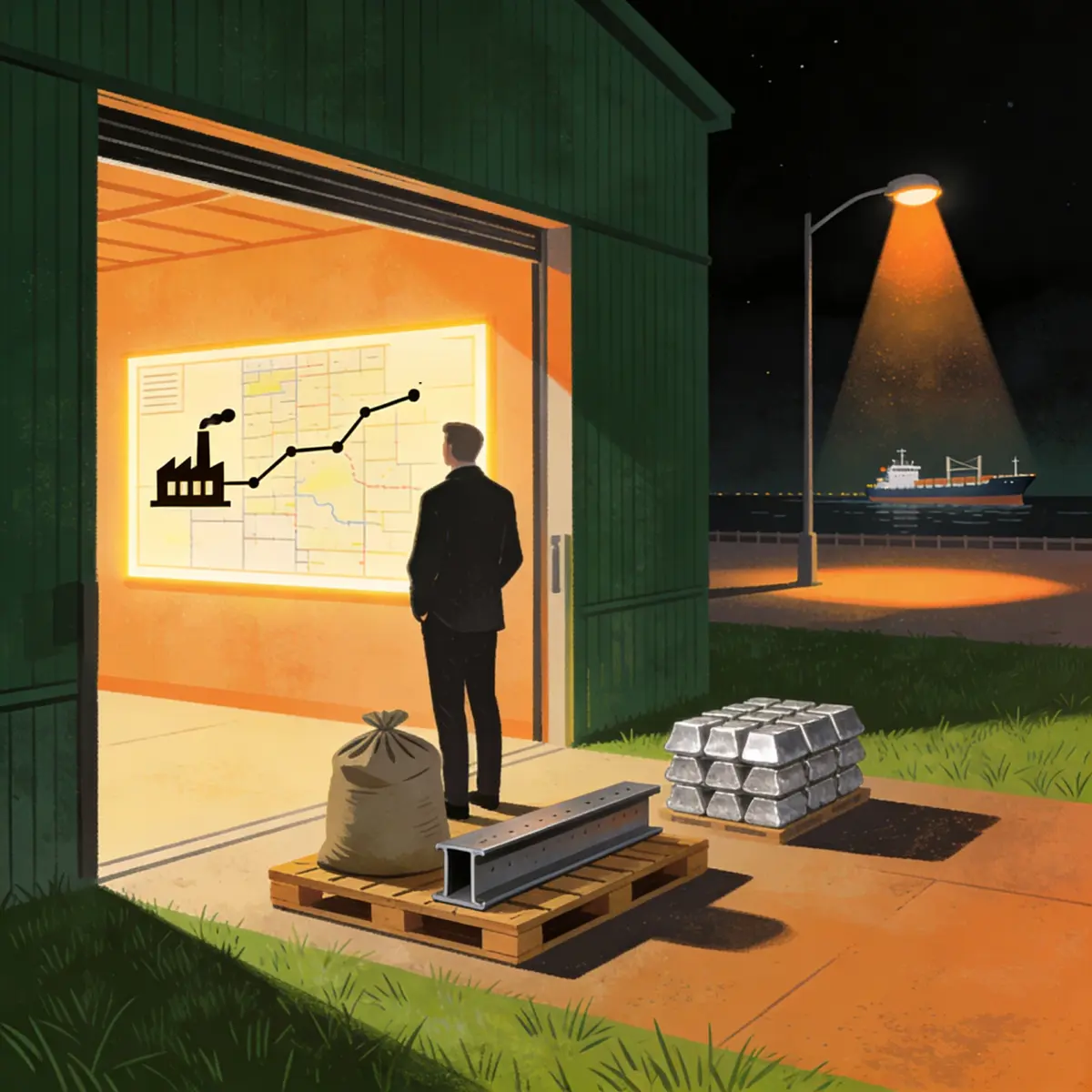
Covered goods, export destinations and volumes mapped against the definitive regime, the de minimis threshold and the authorised declarant requirement, so the obligation is understood before data work begins.
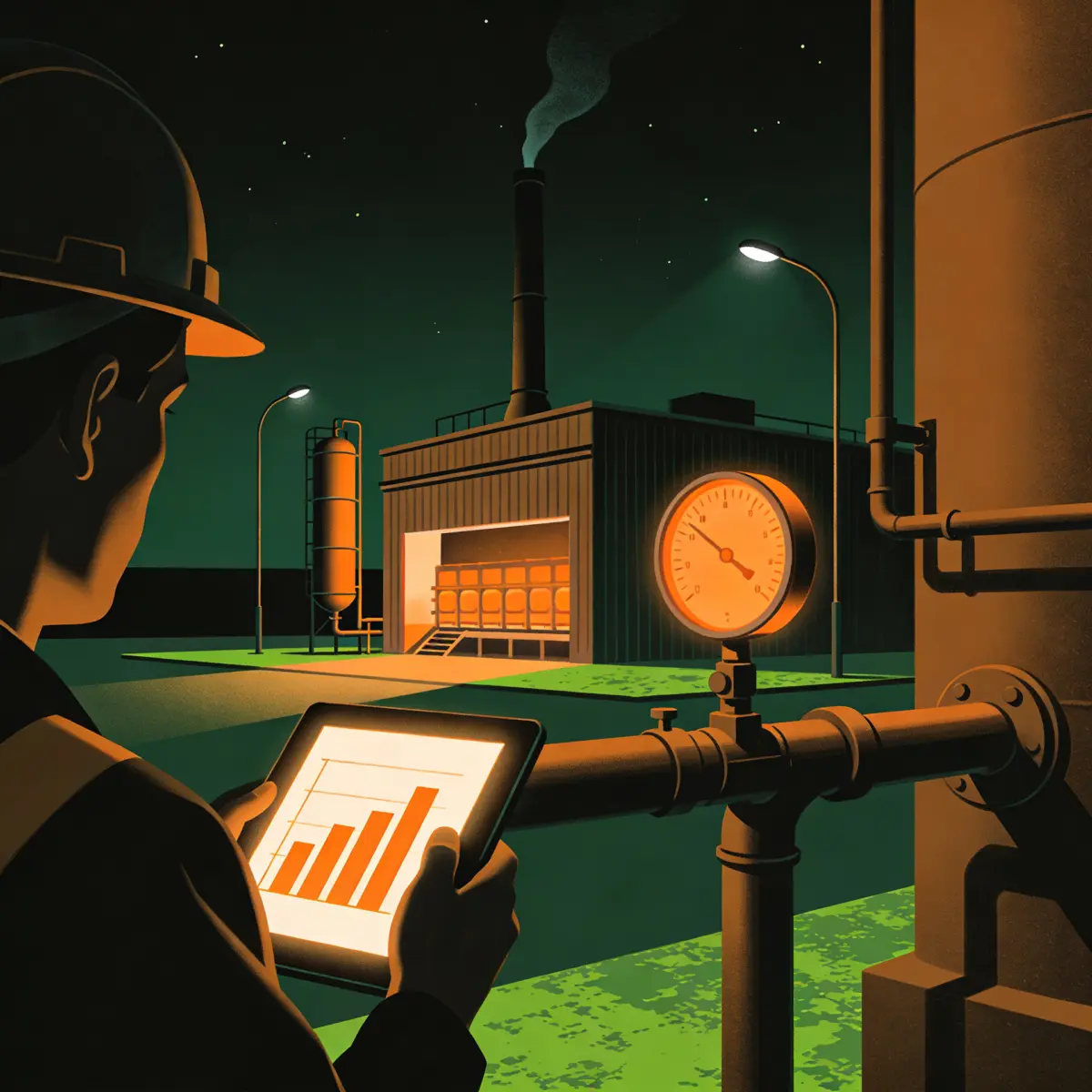
Embedded emissions of each product quantified from actual installation data following the EU methodology, in place of default values that carry a regulatory markup, then prepared for verification.
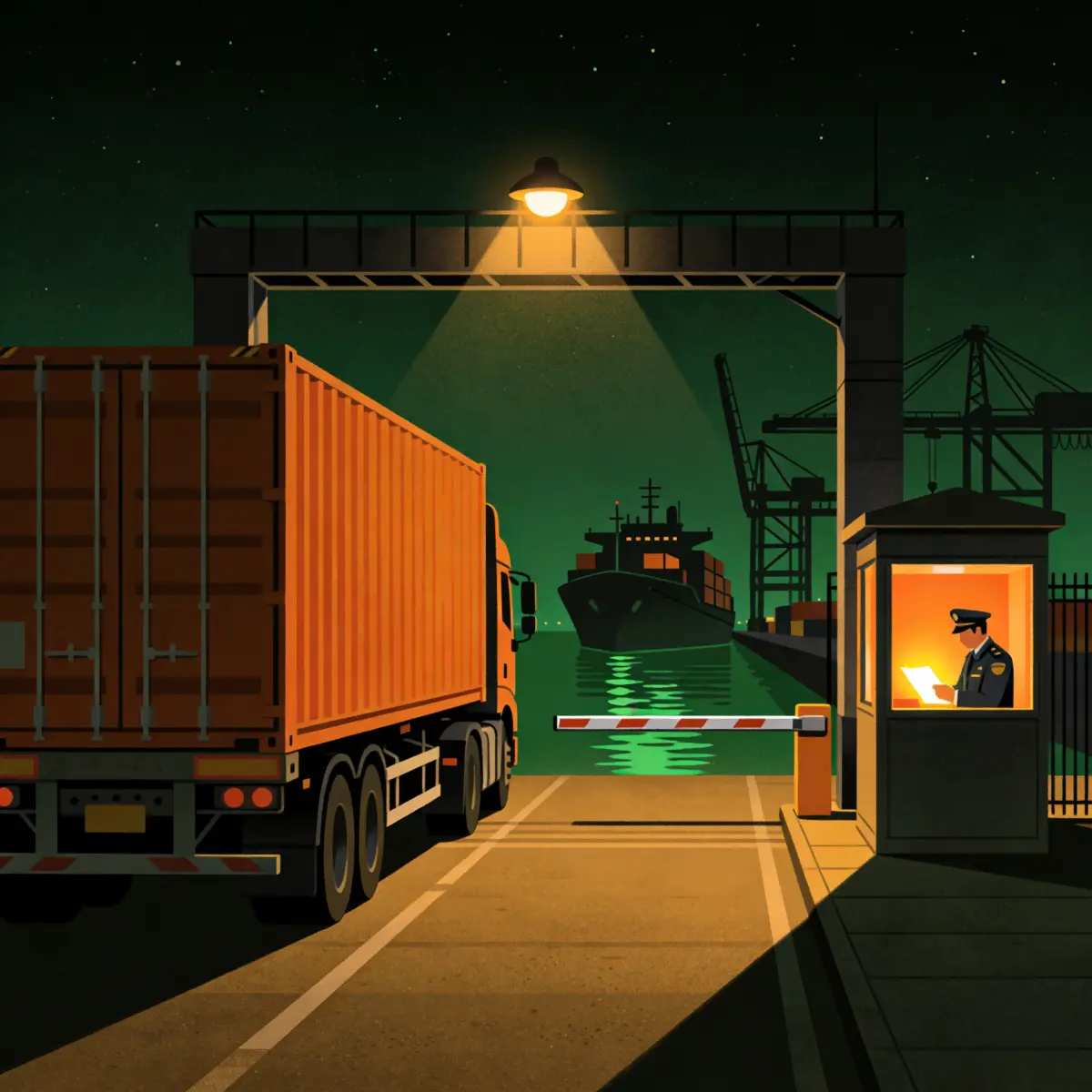
Installation data and the monitoring methodology behind it prepared for verification by an accredited verifier, so the declared embedded emissions stand on evidence rather than marked up default values.

Verified data shared with EU importers and authorised declarants through the central CBAM registry, and the annual declaration prepared so every covered consignment is accounted for.

Certificate position tracked against the EU ETS price, less any deductible carbon price paid outside the EU. A reduction pathway built to lower the embedded emissions and the cost over time.
The CBAM border mechanism follows embedded emissions from the Indian installation across the European border to the certificate that is surrendered.
An Indian installation produces a covered good: cement, iron and steel, aluminium, fertilisers, electricity or hydrogen.
The emissions embedded in the good are measured from installation data, or estimated using default values that carry a regulatory markup.
Actual emissions data is verified by an accredited verifier and shared with the European importer through the central CBAM registry.
The good crosses the European border, where an authorised CBAM declarant reports the embedded emissions for the year.
CBAM certificates are surrendered for the embedded emissions minus the free allocation adjustment, priced off the EU ETS. Where actual emissions are declared, a carbon price effectively paid in a third country can be deducted.
Embedded emissions are measured at the Indian installation or taken from default values. Actual data is verified by an accredited verifier and shared through the CBAM registry. An authorised declarant declares the emissions at the European border and surrenders certificates priced off the EU ETS. Where actual emissions are declared, a carbon price effectively paid in a third country can be deducted, net of any rebate. The European Union does not have to recognise the foreign scheme first.
Three answers map a business onto the definitive regime.
Three questions map an export trade against the definitive CBAM regime: the goods, the volume and the import route. The result states what the regulation says about that position and what to verify next.
Three questions decide CBAM exposure: which covered goods the business exports to the European Union, the combined annual volume bound for the EU, and who imports. A CBAM readiness review works through all three with the figures on the table.
Request a CBAM readiness review →None of the six covered goods are exported, so the Carbon Border Adjustment Mechanism places no obligation on this trade today. CBAM covers cement, iron and steel, aluminium, fertilisers, electricity and hydrogen under Regulation (EU) 2023/956. A proposal published in December 2025 would extend the mechanism to a wider set of downstream products from 2028; it has not been adopted, so the product list is the point to watch.
The goods are covered and the combined volume sits at or below 50 tonnes a year. The 50 tonne de minimis applies to each EU importer's cumulative annual imports rather than to a single exporter's shipments, so exemption cannot be confirmed from the export side alone. If the buyer's total CBAM imports stay at or below 50 tonnes for the year, the consignments may fall within de minimis under Regulation (EU) 2025/2083. Verifying the buyer's position is the next step.
The goods are covered, so exposure now turns on volume. The 50 tonne de minimis is measured on each EU importer's cumulative annual imports rather than on one exporter's shipments, so the buyer's total position decides it under Regulation (EU) 2025/2083. Confirming the combined EU bound volume and the buyer's import total is the first step of a readiness review.
The goods are covered and the volume is above 50 tonnes a year, so the trade sits squarely within the definitive CBAM regime that has applied since 1 January 2026. The EU importer or authorised declarant files an annual declaration, with embedded emissions taken from actual data or from default values. Actual data must be verified by an accredited verifier, and it can land below or above the marked up default values.
Electricity and hydrogen are covered goods and both sit outside the 50 tonne de minimis, so volume does not lift the obligation. The trade falls within the definitive CBAM regime that has applied since 1 January 2026. The EU importer's annual declaration takes embedded emissions from actual data or from default values, and actual data must be verified by an accredited verifier.
An own European entity importing the goods itself needs authorised CBAM declarant status to file the annual declaration.
The European buyer acts as the authorised declarant. To declare actual emissions instead of default values, it will need verified embedded emissions data from the exporting installation.
The trader or agent importing into the EU holds the declarant obligation. To declare actual emissions instead of default values, it will need verified embedded emissions data from the exporting installation.
Identifying the authorised declarant for the trade is part of the readiness review.
Answers stay in this browser. Nothing is sent until a contact channel is opened.
Embedded emissions follow each good from the Indian installation to the European border, and a readiness review turns that path into a compliance plan.
WhatsAppRequest a CBAM readiness review →What definitive regime readiness earns an exporter and its EU importer.
Verified embedded emissions data supports the annual declaration under the definitive regime.
Actual verified data replaces marked up default values, so the certificate obligation reflects the emissions of the installation itself.
Sharing verified data through the CBAM registry lets European importers and declarants use it in their annual declaration.
A reduction pathway lowers embedded emissions over time, an advantage that grows as EU ETS free allocation phases out toward 2034.

The reasons a CBAM consultancy in India is trusted by exporters and EU importers alike.
Each engagement led by a specialist with proven experience across carbon accounting and climate compliance.
Working knowledge of the definitive CBAM regime alongside India's carbon market and CCTS, so guidance fits both sides of the trade.
Actual installation data turned into verified embedded emissions, reducing reliance on marked up default values.
Exposure assessment, measurement, verification readiness, reporting and certificate planning handled as one accountable engagement.
CBAM services delivered to exporters and EU importers worldwide from a Mumbai base.
The service lines that make up a CBAM engagement, from embedded emissions calculation to certificate cost planning.
Direct and indirect embedded emissions calculated from actual installation data under the sector boundaries of Regulation (EU) 2023/956, in place of marked up default values.
Monitored, source level activity and emissions data gathered from the producing installation, with supporting records retained as the rules require.
Declaration ready outputs prepared for the annual CBAM declaration the authorised declarant files; the first, covering 2026 imports, falls due 30 September 2027.
Exposure mapping, the readiness assessment and the default versus actual cost position, delivered as advisory work; verification stays with an independent accredited verifier.
Exposure modelled on the embedded emissions minus the free allocation adjustment, against the EU ETS linked certificate price. The adjustment shrinks each year, and from 2034 nothing is deducted for free allocation.
Verified data shared with EU importers and authorised declarants through the central CBAM registry, so every covered consignment is accounted for.
Every covered good carries the same compliance discipline, tuned to the exporter and the European buyers it supplies.
WhatsAppRequest a CBAM readiness review →Real CBAM and carbon border questions from the community, answered by the GreenSutra team.
Can a customs broker or indirect customs representative be an importer's authorised CBAM declarant?
Yes, a customs broker can be the authorised CBAM declarant if it acts as an indirect customs representative and holds the status itself, under…
Answered by the GreenSutra team→Q · 02CBAM42 viewsDo goods produced in 2025 but imported in 2026 fall under CBAM?
Yes, goods produced in 2025 fall under CBAM if released for free circulation in the EU from 1 January 2026, because Regulation (EU) 2023/956…
Answered by the GreenSutra team→Q · 03CBAM37 viewsWhat must a trader of CBAM goods do if it does not produce them?
A trader has CBAM duties under Regulation (EU) 2023/956 only as the importer of the goods or as an importer's indirect customs representative. Above…
Answered by the GreenSutra team→Q · 04CBAM39 viewsWhat is the CBAM certificate price for each quarter of 2026?
The 2026 CBAM certificate price is set per quarter under Article 21(1a) of Regulation (EU) 2023/956: €75.36 for the first quarter, €75.28 for the…
Answered by the GreenSutra team→Q · 05CBAM41 viewsWhat goes into the annual CBAM declaration?
The annual CBAM declaration reports four totals under Article 6(2) of Regulation (EU) 2023/956: tonnes imported, embedded emissions, certificates to surrender and verification reports.…
Answered by the GreenSutra team→Q · 06CBAM42 viewsWhat are CBAM default values, and where are they published?
CBAM default values are the European Commission's figures for the emissions embedded in a tonne of a CBAM good from a given country. The…
Answered by the GreenSutra team→Q · 07CBAM58 viewsHow does CBAM apply to hydrogen imports?
Hydrogen under Combined Nomenclature (CN) code 2804 10 00 is a Carbon Border Adjustment Mechanism (CBAM) good priced on its direct emissions only. The…
Answered by the GreenSutra team→Q · 08CBAM59 viewsWhich imports are exempt from CBAM?
The Carbon Border Adjustment Mechanism (CBAM) exempts goods originating in Iceland, Liechtenstein, Norway, Switzerland and five listed territories, military movements, and importers with 50…
Answered by the GreenSutra team→Q · 09CBAM58 viewsWhat penalties apply under CBAM from 2026?
From 2026, an authorised Carbon Border Adjustment Mechanism (CBAM) declarant short of certificates on 30 September pays the EU Emissions Trading System (ETS) excess…
Answered by the GreenSutra team→Q · 10CBAM56 viewsWhich downstream products would the proposed CBAM extension cover?
The proposed downstream extension of the Carbon Border Adjustment Mechanism (CBAM), COM(2025) 989 of 17 December 2025, would add 180 steel- and aluminium-intensive products…
Answered by the GreenSutra team→Q · 11CBAM59 viewsWhich carbon prices paid abroad can reduce a CBAM bill?
A Carbon Border Adjustment Mechanism (CBAM) declarant using verified actual emissions can claim fewer certificates for a carbon price effectively paid in any third…
Answered by the GreenSutra team→Q · 12CBAM61 viewsWhat are the CBAM deadlines for EU importers in 2026 and 2027?
For goods imported in 2026, the main Carbon Border Adjustment Mechanism (CBAM) deadlines fall in 2027. Certificates go on sale on 1 February 2027,…
Answered by the GreenSutra team→Solution deck · 38 slides · PDF by email
A 38 slide deck on the EU Carbon Border Adjustment Mechanism for exporters, worked from the instruments: what is covered, how the embedded emissions figure is built, and what the definitive regime now costs.
 Get the deck by email
The PDF is attached to a confirmation email. There is no public download link.
A short conversation about covered goods, export volumes and the European buyers involved turns into a tailored CBAM plan. Schedule a call directly or send a written brief.
Pick the service and a slot; a practitioner takes the call.
Reading on carbon markets, the EU and Indian green standards from the GreenSutra journal.
Reviewed by Dhvanil Vakharia, Founder, GreenSutra®. Mechanical engineer (B.E., University of Mumbai) leading GreenSutra's sustainability and environmental compliance practice in Mumbai since 2016. Advises exporters, manufacturers and EU importers on CBAM compliance and carbon accounting.
Maintained by GreenSutra · Last reviewed July 2026
A short set of questions on exports and facilities produces a Scope of Work and proposal matched to the situation.