IGBC
Rating programmes across residential, commercial, industrial and city categories under the Indian Green Building Council.


Green building and design consultancy delivered from Mumbai across India. A project routed to the rating that suits it across IGBC, GRIHA, LEED, EDGE and the ECBC, designed to cut embodied and operational carbon and to harvest and reuse water, and carried through certification documentation to its rating level, toward net zero by 2070.
Reviewed by Team GreenSutra · Updated 13 June 2026
For developers, owners and occupiers certifying and running greener buildings.
A green building is one designed, built and run to use less energy, water and material and to sit lighter on its surroundings. Green building and design consultancy is the advisory work around that outcome: choosing the rating route, shaping the design to meet it, and carrying the certification documentation through to the awarded level. The work is advisory toward certification; the rating itself is awarded by the body behind each programme.
The rating landscape is plural by design. IGBC under the CII, the national GRIHA system from the Ministry of New and Renewable Energy, the global LEED, and the design-phase EDGE from the IFC each suit a different project, and the Energy Conservation Building Code sets the mandatory floor for commercial buildings with a connected load of 100 kW or more. Choosing the right route, and designing to reduce both embodied and operational carbon, is where the advisory adds value.
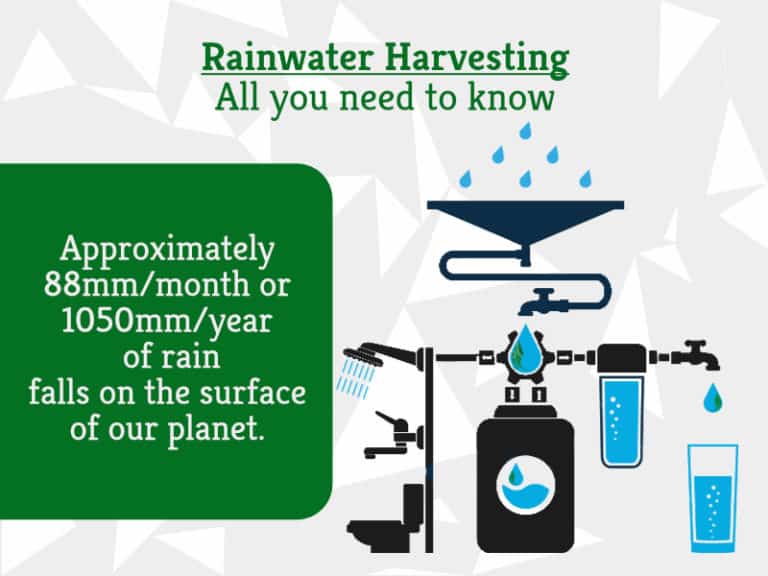
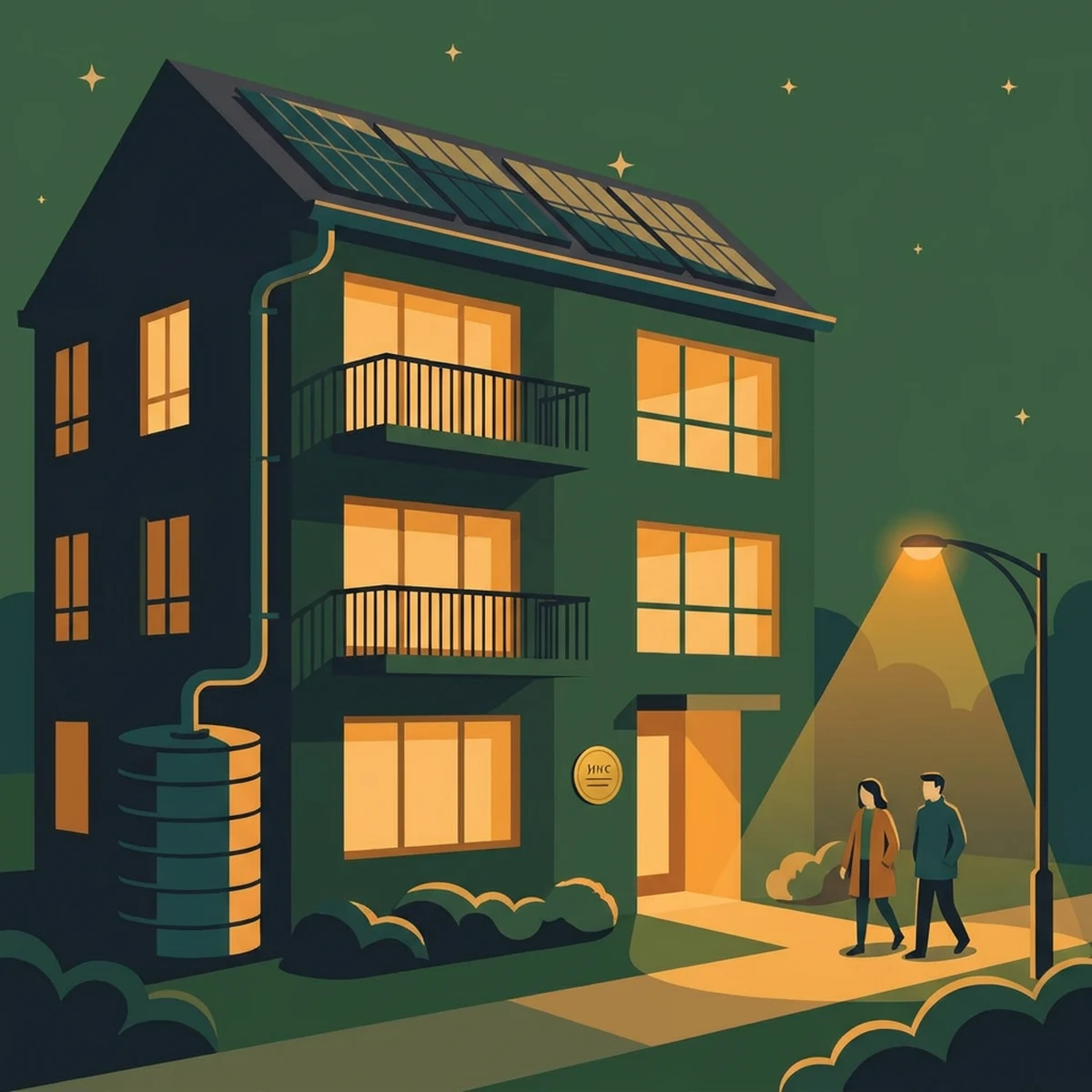
The design work runs on two levers. A building lifecycle carbon splits into embodied carbon, from the extraction, manufacture and transport of materials, and operational carbon, from the energy used in operation, and a green design reduces both through material choices, efficient systems, daylighting and rooftop solar. Water sits beside carbon: the Model Building Bye-Laws, 2016, make rainwater harvesting mandatory for plots of 100 square metres and above, IS 15797 guides roof-top systems, and harvesting, audits and reuse all count toward the rating.
Based in Mumbai and delivering across India, GreenSutra carries green building and design consultancy as one engagement, from diagnosis and the rating route through design, documentation and the certified outcome, against the national net-zero-by-2070 goal. Sustainability disclosure runs as its own GreenSutra practice: BRSR and ESG reporting are separate services, linked below for businesses that need them alongside a certified building.
The rating routes a building can take, and what each one suits.
There is no single best rating system; the right one depends on the project, its stage and its market. The systems below each rate a building against a defined standard and award a level, and choosing the route, then designing to meet it, is the heart of green-building advisory. The ECBC sits underneath them all as the mandatory energy floor for larger commercial buildings.
Rating programmes across residential, commercial, industrial and city categories under the Indian Green Building Council.
The national rating system, scoring a building against 34 criteria, required for central government projects.
The global system for new construction, interiors and existing-building operations, recognised internationally.
A cost-effective, design-phase route focused on resource efficiency, suited to early certification decisions.
The Energy Conservation Building Code for commercial buildings, and the Eco Niwas Samhita for homes.
Choosing the right rating route for a project, and designing to meet it, is the first step of every green-building engagement.
From a diagnostic and a rating route to a certified, performing building.

The project diagnosed, the applicable codes, bye-laws and rating routes identified, and the certification target scoped against the stage and the market.

The right rating system selected for the project and its stage, from IGBC, GRIHA, LEED or EDGE, with the ECBC energy floor confirmed for larger commercial buildings.
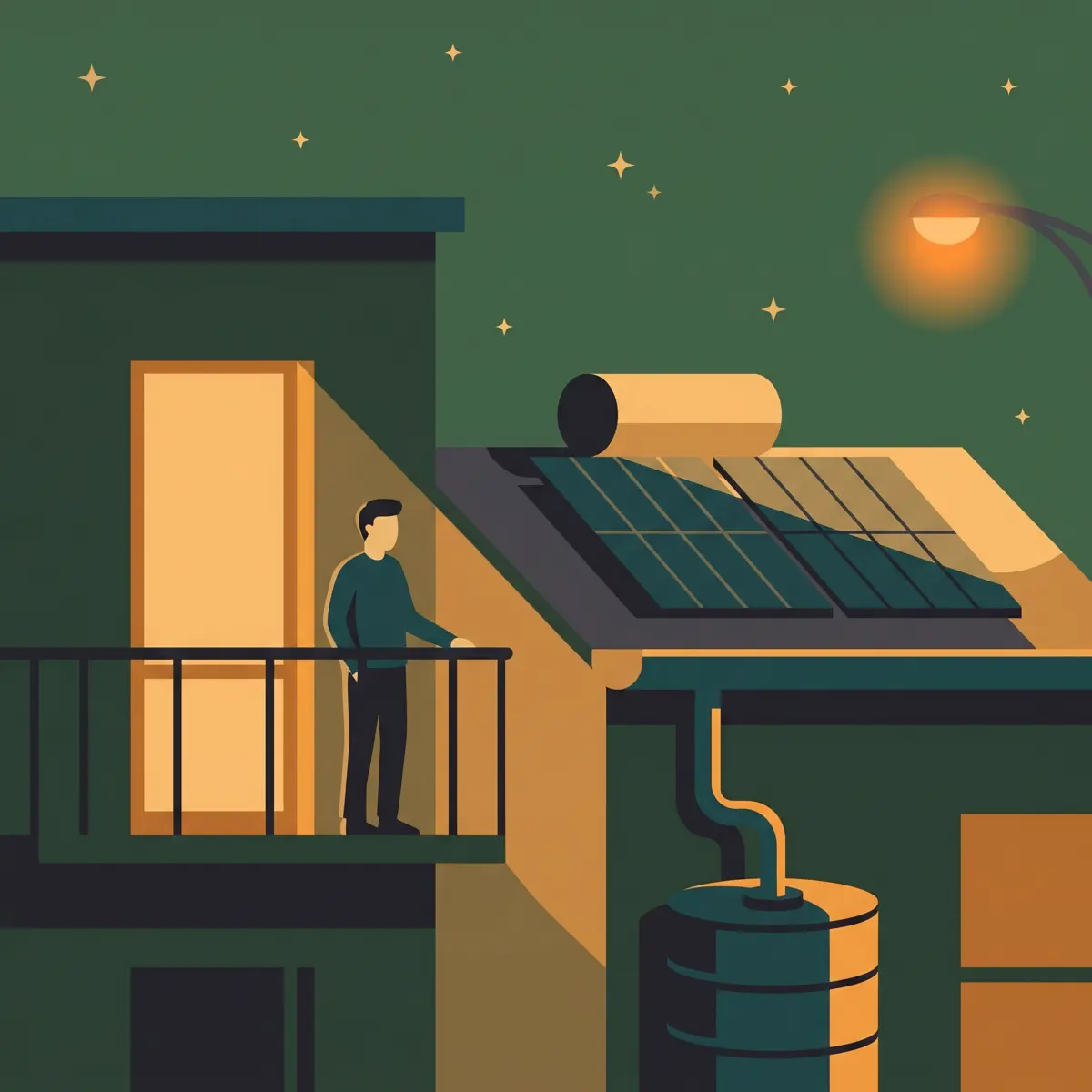
The building designed to reduce embodied and operational carbon and to harvest and reuse water, with rooftop solar, daylighting and efficient systems integrated to meet the rating.

The certification documentation prepared and submitted under the chosen rating programme, and the rating pursued to the level the design earns, over the ECBC floor where it applies.
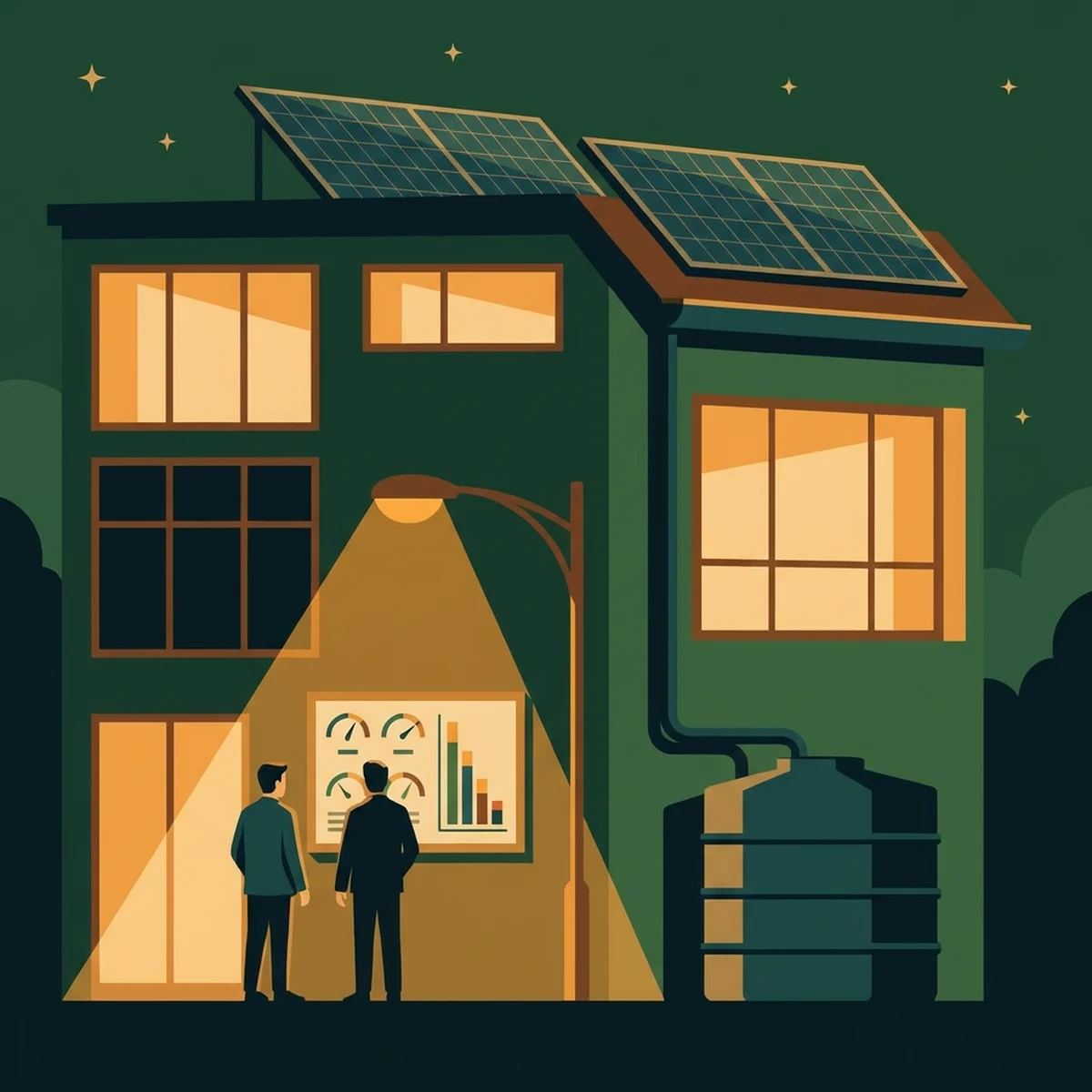
The certified building operated and its performance sustained, with energy and water tracked and embodied and operational carbon kept falling against the net-zero pathway.
A project is diagnosed, routed to a rating, designed for carbon and water, certified, and operated to its rating.
The project is diagnosed and the applicable codes, bye-laws and rating routes identified.
The right rating system, IGBC, GRIHA, LEED or EDGE, is chosen for the project and stage, over the mandatory ECBC energy floor.
The building is designed to reduce embodied and operational carbon and to harvest and reuse water, with solar and efficient systems.
Certification is documented and submitted under the chosen programme, and the rating achieved at the level the design earns.
The certified building is operated and its performance sustained, with energy and water tracked against the net-zero pathway.
A project is diagnosed and routed to the rating system that suits it, designed to cut embodied and operational carbon and to harvest water, carried through certification documentation, and operated so the performance holds, against the national net-zero-by-2070 goal.
Two answers point to the rating route to evaluate first.
Two questions place a project against the rating landscape: the building it is, and the stage it is at. The result names the route to evaluate first and what it suits. The choice stays advisory; the rating is awarded by the body behind each programme.
Two questions decide which rating route a project evaluates first: the building it is, from a new commercial or residential build to a central government project, an existing building or a resource efficiency target, and the stage it is at. A consultancy review routes the project across IGBC, GRIHA, LEED, EDGE and the ECBC floor.
Request a consultancy review →A new commercial building can route through the IGBC commercial programmes under the CII or through the global LEED system from the USGBC and GBCI, and the choice turns on the market the certificate must speak to. The Energy Conservation Building Code 2017 sets the mandatory energy floor where the connected load reaches 100 kW, and the design is shaped to cut embodied and operational carbon and to meet the chosen rating.
A residential building routes through the IGBC residential programmes, with the Eco Niwas Samhita as the corresponding residential energy code. GRIHA, the national system from the Ministry of New and Renewable Energy, rates buildings against 34 criteria on a one to five star scale. Rainwater harvesting under the Model Building Bye-Laws applies to plots of 100 square metres and above and counts toward the rating.
GRIHA, the national rating system adopted by the Ministry of New and Renewable Energy, is required for central government building projects. It rates a building against 34 criteria on a one to five star scale, and the advisory prepares the design and the documentation to score against them.
LEED certifies existing-building operations and interiors from Certified to Platinum, and the IGBC programmes span residential, commercial, industrial and city categories. For an operating building the advisory focuses the design work on a retrofit: efficient systems, daylighting, rooftop solar and water reuse that lift the building to the rating.
EDGE, the IFC green building system, targets a minimum 20 percent reduction in energy, water and the embodied energy of materials at the design phase, which makes it a cost effective route when the aim is measurable resource efficiency decided early. The ECBC floor still applies to a commercial building with a connected load of 100 kW or more.
The right rating route cannot be fixed from the answers alone, since it depends on the project, its stage and its market. A consultancy review identifies the codes and programmes in play and routes the project across IGBC, GRIHA, LEED, EDGE and the ECBC floor, as one accountable engagement.
At the planning or design stage the advisory has the most leverage, since the rating route can be set and the carbon, water and daylight decisions designed in before build.
For an operating building the advisory focuses on an existing building rating and a retrofit, with efficient systems, solar and water reuse lifting the performance to the rating.
Ready to certify, the advisory focuses on the documentation and the submission, so the rating goes through cleanly at the level the design earns.
Answers stay in this browser. Nothing is sent until a contact channel is opened.
A project runs from diagnosis through a rating route and a low carbon design to certification and an operating, performing building, and a consultancy review turns that path into a certified outcome.
WhatsAppRequest a consultancy review →What a certified, well designed building earns a client.
The right rating route chosen and the documentation carried, so a building reaches its IGBC, GRIHA, LEED or EDGE level cleanly.
A building designed to cut operational carbon and to harvest and reuse water, so the running cost and the footprint both fall.
The mandatory ECBC floor and the voluntary rating handled together, so compliance and certification move as one design.
Embodied and operational carbon reduced and the residual addressed, against the national net-zero-by-2070 pathway.
The reasons behind the reputation.
Specialists fluent across IGBC, GRIHA, LEED, EDGE and the ECBC, so the rating route is chosen for the project rather than the habit.
The route chosen and the building designed to meet it by one team, so the certificate reflects the design rather than paperwork bolted on.
A working carbon, energy and solar practice behind the advisory, so a building operational carbon is actually reduced, not just rated.
Diagnosis, rating route, design guidance, documentation and the certified outcome handled as one engagement, or any stage standalone.
Green building and design consultancy delivered for developers and businesses across India from a Mumbai base.
The same diagnose, route and design discipline, tuned to the project.
Certifying new and existing buildings to IGBC, GRIHA, LEED or EDGE, with low-carbon design and the ECBC floor.
Certifying workplaces and interiors, with the ECBC floor confirmed for larger commercial buildings.
Central government building projects, which route through the national GRIHA system and its 34 criteria.
Residential buildings and campuses designed to the Eco Niwas Samhita, with rainwater harvesting under the bye-laws.
Every client meets the advisory at a different point, and the route shifts to match, from a developer certifying a new asset to an occupier lifting an existing building to a rating.
WhatsAppRequest a consultancy review →Every figure on this page traces to one of these references.
Real green building, energy and water questions from the community, answered by the GreenSutra team.
What is ESRS?
The European Sustainability Reporting Standards are referred to as ESRS. Organizations that are subject to the Corporate Sustainbility Reporting Directive have to report according…
Answered by the GreenSutra team→Q · 02Sustainability4,331 viewsWhat is CSRD?
CSRD stands for Corporate Sustainability Reporting Directive. Corporate Sustainability Reporting Directive is a regulatory framework introduced by the the European Union aimed at improving…
Answered by the GreenSutra team→Q · 03Sustainability4,055 viewsWhat is GCP?
GCP stands for the Green Credit Programme, India's market based mechanism for rewarding voluntary environmental action. Notified under the Green Credit Rules, 2023, it…
Answered by the GreenSutra team→Q · 04Sustainability3,427 viewsWhen do the Ecomark Rules 2024 come in force?
The Ministry of Environment, Forest and Climate Change (MoEFCC) on 26th Septmeber 2024 notified the Ecomark Rules 2024. The Ecomark Rules, 2024 came into force from 1st October 2024, the…
Answered by the GreenSutra team→Q · 05Sustainability3,424 viewsWhat are the conditions for grant of Ecomark?
Under the Ecomark Rules 2024, an Ecomark may be granted to product(s) if they adhere or meet specific sustainability or environmental criterias such as…
Answered by the GreenSutra team→Q · 06Sustainability3,421 viewsWhat is Greenwashing?
Greenwashing may be referred to as any practice or tatic that misrepresents, misleads, conceals by means of exaggerating, making vague, false or unsubstaintiated environmental…
Answered by the GreenSutra team→Q · 07Sustainability3,407 viewsWhat is the procedure for grant of Ecomark?
The Ecomark Rules 2024 have come into force from 1st October 2024. Products that meet specific sustainability or environmental criteras may be granted an…
Answered by the GreenSutra team→Q · 08CBAM3,153 viewsWhat is the Taxonomy for Green Steel for India?
The Taxonomy for Green Steel for India is a prerequisite for the development of a coherent policy for the decarbonising the steel sector of…
Answered by the GreenSutra team→A short conversation about the project, its stage and its market turns into a rating route and a design plan. Schedule a call directly or send a written brief.
Pick the service and a slot; a practitioner takes the call.
Reading on building systems, water and energy from the GreenSutra journal.
Maintained by GreenSutra · Last reviewed June 2026