

CBAM for Aluminium Exporters

Carbon Border Adjustment Mechanism (CBAM) compliance for exporters of aluminium to the European Union, worldwide, and for the EU importers who declare them. Embedded emissions of unwrought aluminium and aluminium products calculated from installation data, CBAM reports prepared for verification by accredited verifiers, and certificate exposure estimated and managed, as one accountable engagement delivered from Mumbai.

Aluminium · CN 7601 to 7616Direct emissions onlyWorldwide delivery

Reviewed by Team GreenSutra · Updated 20 July 2026

On recordCovered groupAluminiumCN coverageCN 7601 to 7616Emissions countedDirect emissions onlyDefault valuesBy country of originDe minimis50 t per importer a yearMarketsChina
01

What CBAM means for aluminium exporters

Aluminium supply into the EU is global, and only direct emissions are priced.

The Carbon Border Adjustment Mechanism (CBAM) prices the carbon emissions embedded in imported goods, and aluminium is one of the six covered product groups. The European Union imported about 29.5 billion euro of aluminium and aluminium products in 2024. Its three largest suppliers, Norway, Iceland and Switzerland, sit in the European Economic Area or a linked emissions trading system and fall outside CBAM under Annex III, so the definitive regime, in force since 1 January 2026, reprices market access for the in scope suppliers that follow them, led by China, Türkiye and the Gulf.

Among the suppliers CBAM actually prices, China and Türkiye lead, with the Gulf states also material. India is a mid-tier supplier to the EU and, at the same time, one of the largest primary aluminium producers in the world through Hindalco, Vedanta and Nalco. GreenSutra works as a CBAM consultant for aluminium exporters across India and worldwide, and the EU importers and authorised declarants who file for them.

Exposure tracks the production route and the country of origin. The table below shows the leading suppliers of aluminium to the EU and how CBAM bears on each.

Aluminium imports into the EU and CBAM exposure, leading suppliers (2024)
MarketAluminium to the EU, 2024CBAM exposure
Norway€4.4 billion, the largest supplierIn the EEA and the EU ETS, so outside CBAM under Annex III, whatever its hydro powered emissions.
China€3.9 billionThe highest direct emissions intensity of the major routes, so the most exposed on a per tonne basis under direct only accounting.
Türkiye€2.8 billionA mixed route supply, exposure set by the specific installation.
Iceland€2.1 billionIn the EEA and the EU ETS, so outside CBAM under Annex III.
IndiaAround €1 billion, a mid-tier supplierA major global primary producer; direct emissions sit modestly above the EU benchmark, so verified data matters.

Import values from Eurostat, 2024 (aluminium and articles). Because aluminium is priced on direct emissions only, the electricity behind a smelter is excluded, so a coal grid does not by itself raise the current certificate cost, though it would if the scope were extended to indirect emissions. The CBAM cost of any specific installation turns on its route and verified emissions, so the figures above frame exposure rather than fix a bill. A first step is the structured CBAM discovery brief, after which exposure feeds the CBAM cost calculator. The full deadlines and methods are set out in the CBAM compliance guide.

02

Aluminium products and their default values

The India default embedded-emissions values that apply where verified data is not supplied.

Coverage follows the combined nomenclature (CN) code of each good, from unwrought aluminium through bars, rods, wire, plates, sheets, strip, foil, tubes and structures. The India defaults below count direct emissions only, and each carries a mark-up of 10 percent in 2026, 20 in 2027 and 30 from 2028.

The representative values below span the aluminium range. Each is a single country-of-origin default; the figure for a specific installation turns on whether the metal is primary or recycled and, where supplied, its verified emissions.

Reading down the table, the default climbs with each stage of working, from 1.87 tonnes of CO2e per tonne for unwrought aluminium to 4.13 for plates, sheets and strip. Set against the tonnage a supplier ships to the European Union, that spread is what fixes the scale of a certificate position, before verified installation data brings the declared figure below the default.

India default embedded-emissions values, representative aluminium products
ProductRepresentative CNIndia default (tCO2e/t)
Unwrought aluminiumCN 76011.87
Bars and rodsCN 7604 10 103.41
Plates, sheets and stripCN 76064.13

Values are the India direct-emissions defaults, specific to the country of origin, so the set differs elsewhere. Source: Implementing Regulation (EU) 2025/2621, Annex I. Wrought products carry more embedded emissions than unwrought metal because of the further processing. Estimate a specific product, volume and route in the CBAM cost calculator.

03

How an aluminium CBAM engagement runs

From exposure assessment to a prepared, declared and managed certificate position.
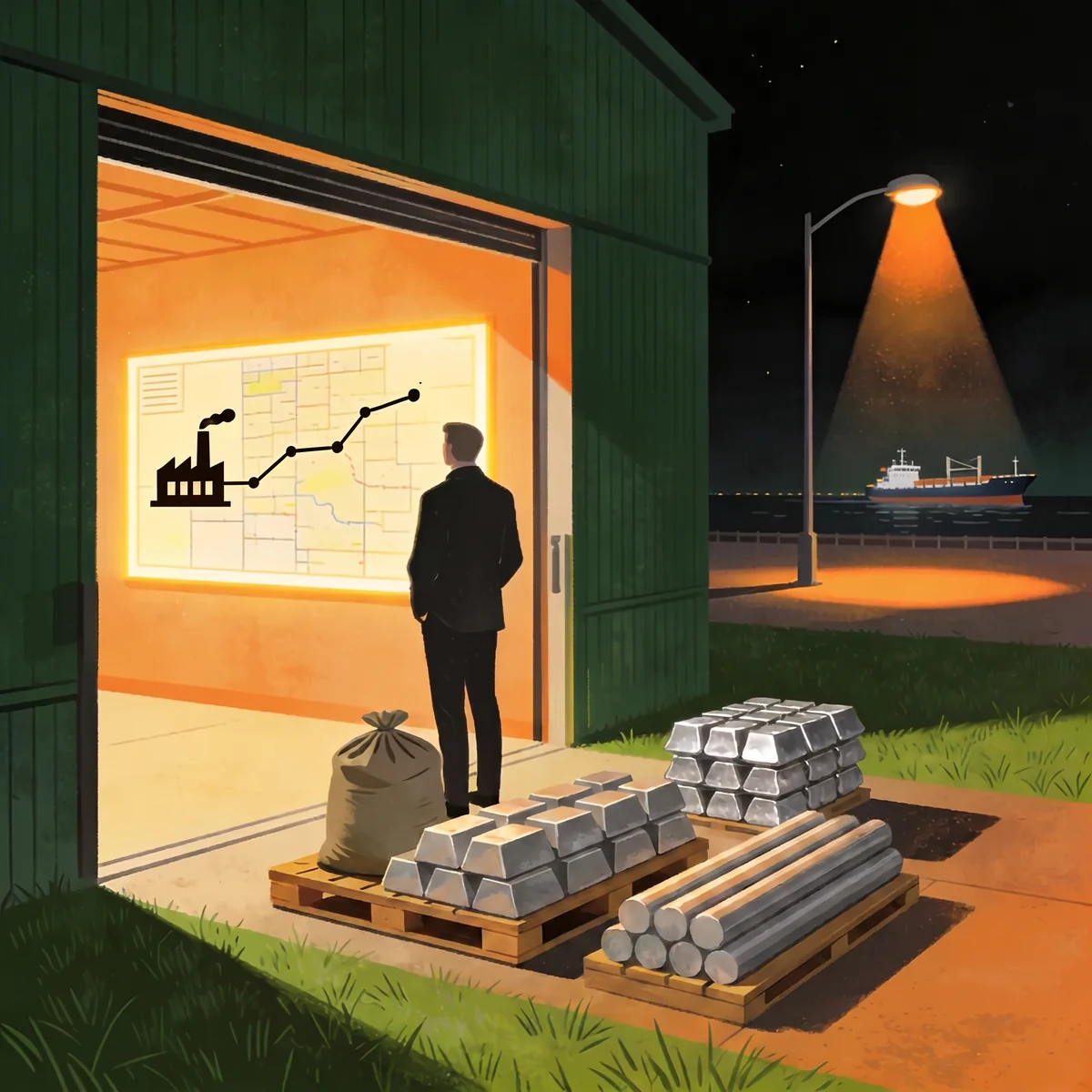
Consultant mapping aluminium export goods against the European border on a wall chart
01

Assess CBAM exposure

Aluminium products, CN classification, production route, export destinations and volumes mapped against the definitive regime, the de minimis threshold and the authorised declarant requirement.
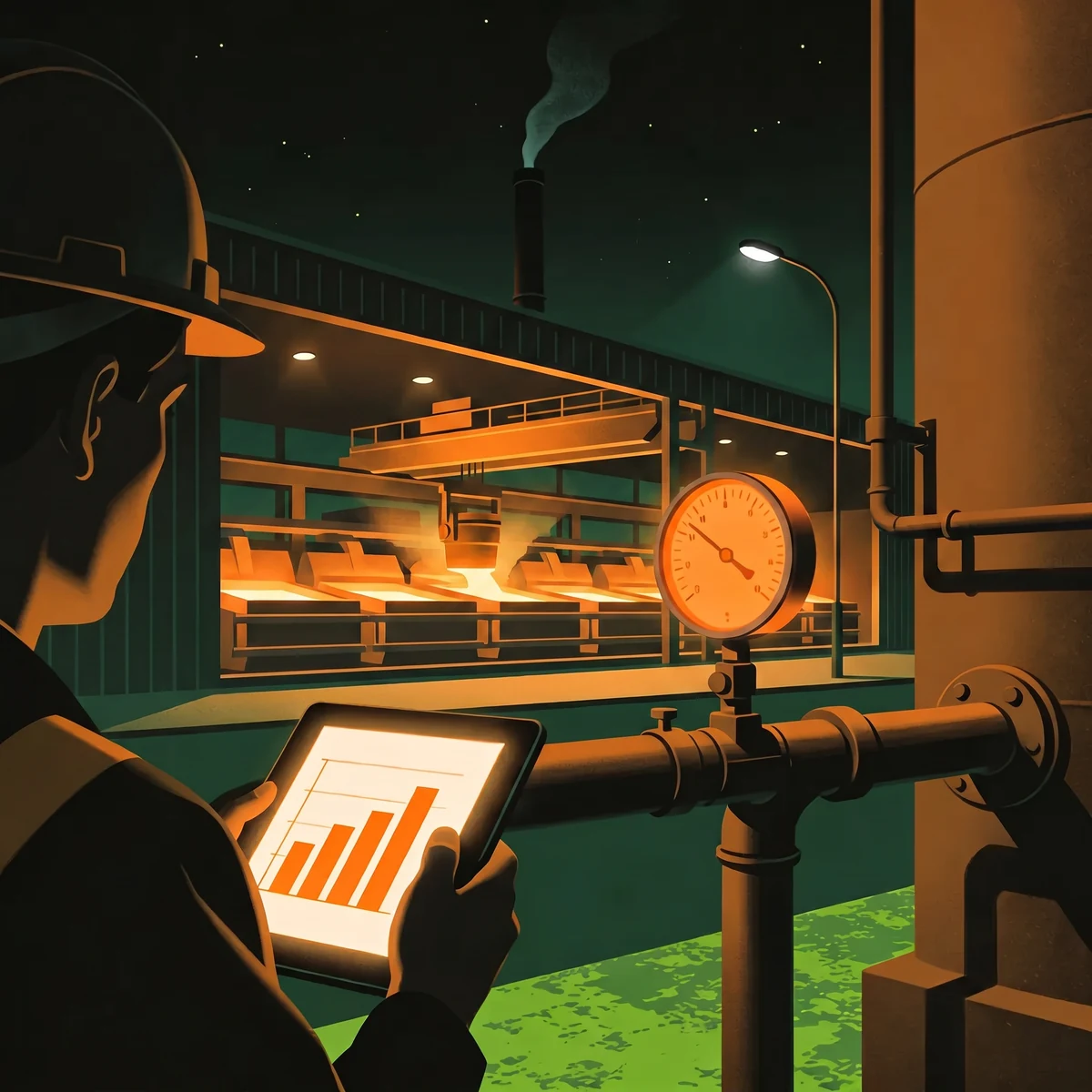
Engineer measuring embedded emissions at an aluminium smelter with a tablet showing emission factors
02

Calculate embedded emissions

Direct embedded emissions of each product quantified from actual installation and production route data following the EU methodology, in place of default values that carry a mark-up, then prepared for verification.
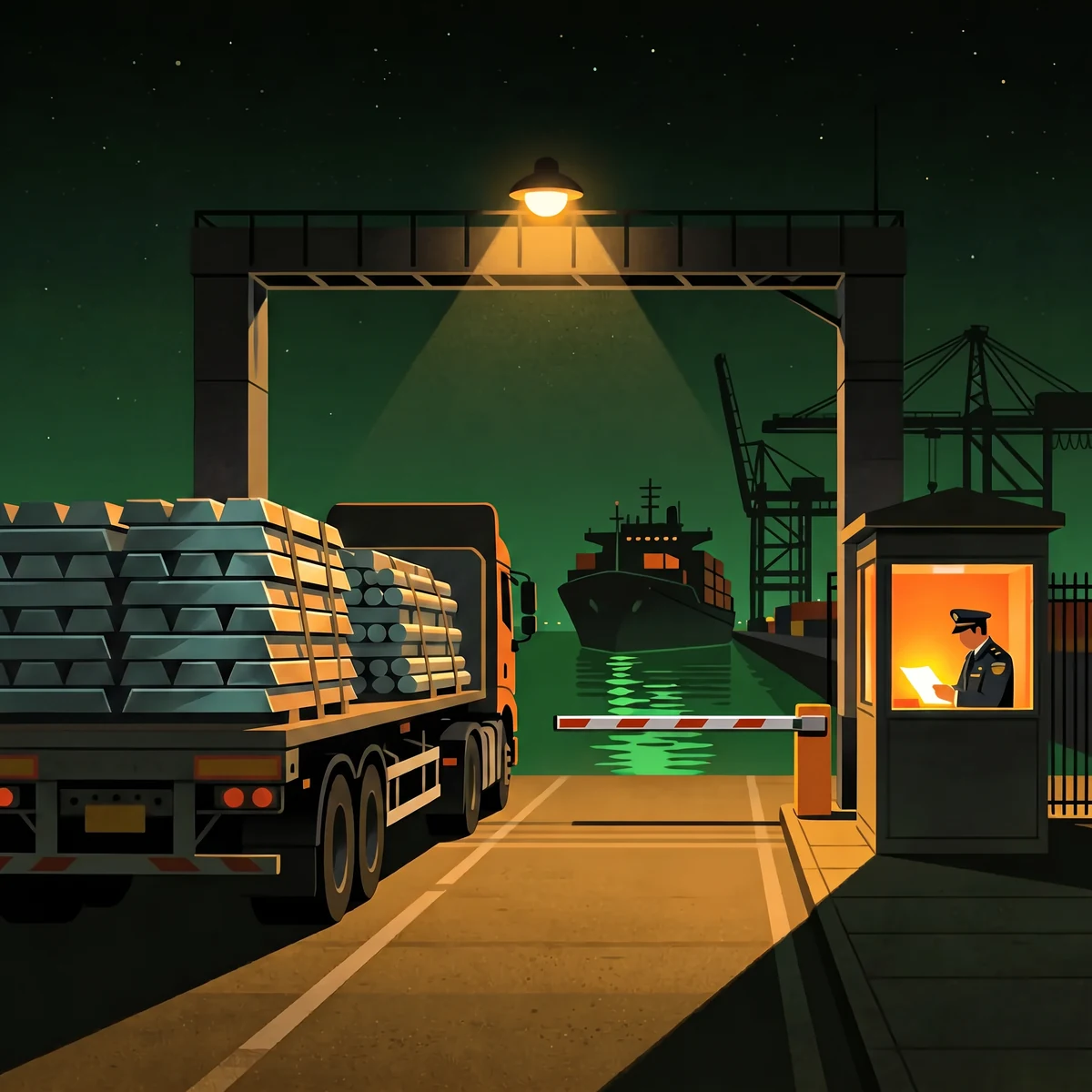
Accredited verifier reviewing embedded emissions data on screen with aluminium goods bound for the European market
03

Prepare for accredited verification

Installation data and the monitoring methodology behind it prepared for confirmation by an accredited verifier, so the declared embedded emissions stand on evidence rather than marked up default values.

Compliance analyst before a CBAM registry ledger sharing verified emissions data with EU importers beside a night port
04

Report through the CBAM registry

Verified data shared with EU importers and authorised declarants through the central CBAM registry, and the annual declaration prepared so every covered consignment is accounted for.
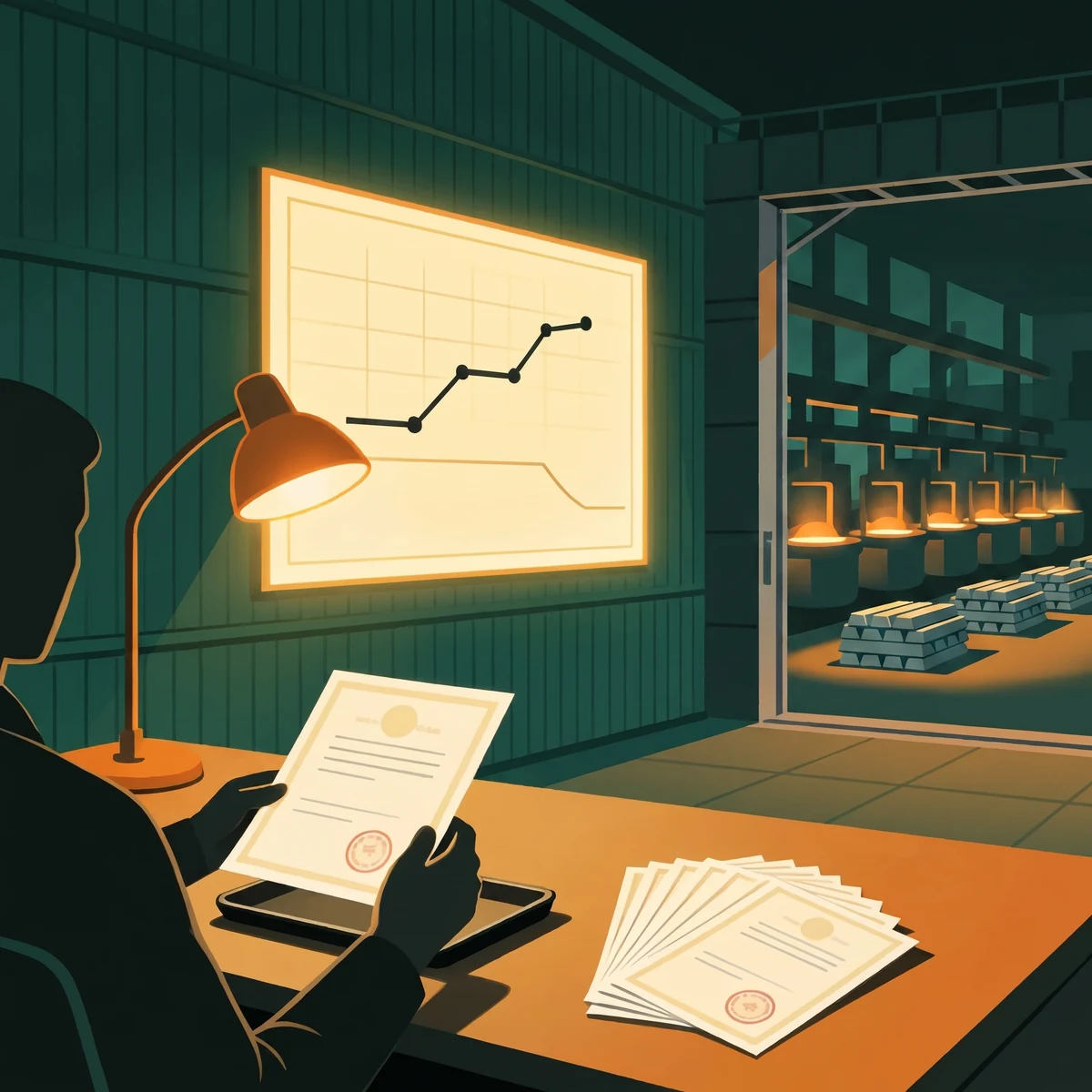
Consultant reviewing CBAM certificate exposure under a desk lamp with a rising EU ETS price line and a falling emissions pathway
05

Manage CBAM exposure and reduce

Certificate exposure tracked against the EU ETS price, any carbon price paid at origin deducted, and a reduction pathway built to lower the embedded emissions and the cost over time.

04

How CBAM works for aluminium

The border mechanism follows the embedded emissions of an aluminium good from the smelter across the European border to the certificate that is surrendered.

How CBAM works for aluminiumTechnical drawing of the CBAM border mechanism for aluminium. A smelter in an exporting country, India shown, produces aluminium, one of the six Annex I goods covered by CBAM. Direct embedded emissions are measured from installation data, verified by an accredited verifier and shared through the CBAM registry. The goods cross the European Union border past customs control, an authorised declarant files the annual CBAM declaration, and CBAM certificates priced off the EU ETS are surrendered, with any carbon price already paid at origin deducted.1122334455667788AABBCCDDEEFFREGULATIONCBAM REGULATIONOMNIBUS IIMPLEMENTING REGEU ETS LINKSMELTER · INDIAALUMINIUM01EMBEDDED EMISSIONSACTUAL OR DEFAULT02EU BORDERGOODS CROSS THE FRONTIER03AUTHORISED DECLARANTEU IMPORTER04CERTIFICATES SURRENDEREDPRICED OFF THE EU ETS05CEMS · INSTALLATION DATAALUMINIUMMECHANISM SPINE · NTSEMBEDDED tCO2e · VERIFIEDBACTUAL DATADEFAULT VALUEEMBEDDED tCO2eDETAIL B · NTSTHIRD COUNTRYEUROPEAN UNIONCUSTOMS CONTROLANNUAL DECLARATIONCBAM REGISTRYREPORTING YEAREU ETS PRICEEUR/tCO2ePRICE PAID AT ORIGINDEDUCTEDSURRENDERKEYCONSIGNMENTSURRENDERDATA LINKDRAWINGCBAM MECHANISMSTATUSDWG NOGS·CBAM·02REVCDATE2026·06
01Installation · production route

A smelter or plant produces an aluminium good. Primary metal from ore carries far more embedded carbon than recycled, scrap based metal.

02Embedded emissions · direct

The direct embedded emissions are measured from installation data, or estimated with a country and product specific default value that carries a mark-up. Indirect, electricity related emissions are not priced for aluminium, so the grid mix behind a smelter does not add to the certificate obligation.

03Verified and shared

An accredited verifier confirms the actual data, which is shared with the European importer through the central CBAM registry.

04Border · declarant

The good crosses the European border, where an authorised CBAM declarant reports the embedded emissions for the year above the 50 tonne de minimis.

05Certificates surrendered

CBAM certificates are surrendered for the direct embedded emissions, priced off the EU ETS, with any carbon price already paid at origin deducted.

Direct embedded emissions are measured at the smelter, verified and shared through the CBAM registry, then declared at the European border by an authorised declarant who surrenders certificates priced off the EU ETS. Aluminium is an Annex II good, so only direct emissions are priced and the electricity behind the smelter is excluded. First surrender, covering 2026 imports, falls on 30 September 2027.

Embedded emissions follow each aluminium product from the smelter to the European border, and a readiness review turns that path into a measured, verified compliance plan.

Request a CBAM readiness review
05

What CBAM readiness earns an aluminium exporter

The gains of moving from marked up default values to verified installation data.

B·01

Market access retained

Verified embedded emissions data keeps aluminium products moving into the European market under the definitive regime without compliance friction.

B·02

Lower certificate cost

Actual verified data replaces the conservative default, so the certificate obligation reflects the real production route rather than a penalty estimate.

B·03

Trusted supplier status

Sharing verified data through the CBAM registry positions the smelter as a preferred supplier to European importers and declarants.

B·04

Decarbonisation advantage

A reduction pathway lowers embedded emissions over time, an advantage that grows as the payable share climbs toward 100 percent in 2034 and if the scope later widens to indirect emissions.

Aluminium goods crossing a port toward the European market beside a falling emissions trend line and a certificate
Verified data protects market access
06

CBAM for aluminium exporters, answered

Q·01Which aluminium products does CBAM cover?
CBAM covers aluminium as one of its six product groups, spanning combined nomenclature headings 7601 to 7616. That runs from unwrought aluminium through bars, rods, wire, plates, sheets, strip and foil, to tubes, pipes, structures, containers and stranded wire. Coverage follows the CN code of each good, so Annex I of Regulation (EU) 2023/956 is the reference for any specific product.
Q·02What are the CBAM default values for aluminium?
Default embedded-emissions values are specific to the country of origin and count direct emissions only for aluminium. For goods of Indian origin the default for unwrought aluminium is 1.87 tonnes of CO2e per tonne, with bars and rods at 3.41 and plates, sheets and strip at 4.13, since wrought products carry more embedded emissions than unwrought metal. Default values carry a mark-up of 10 percent in 2026, 20 percent in 2027 and 30 percent from 2028, published in Commission Implementing Regulation (EU) 2025/2621.
Q·03Does CBAM count indirect, electricity emissions for aluminium?
No. Aluminium is an Annex II good of Regulation (EU) 2023/956, so only direct embedded emissions are priced under CBAM during the definitive period, alongside iron and steel and hydrogen. This matters for aluminium because electricity is the single largest emission source in primary smelting, so a coal powered grid does not by itself raise the current certificate cost. Indirect emissions are still monitored and reported, and the exposure would rise if the scope were later extended to them.
Q·04Where does India sit as an aluminium supplier to the EU?
India is a mid-tier supplier to the European Union, at roughly 1 billion euro in 2024 and around 3 percent of EU aluminium imports, which places it outside the top five of Norway, China, Türkiye, Iceland and Switzerland, of which only China and Türkiye fall in CBAM scope. India is at the same time one of the largest primary aluminium producers in the world through Hindalco, Vedanta and Nalco, so most of its metal is sold outside the EU. Its direct emissions intensity sits modestly above the EU benchmark, so verified data is worth preparing.
Q·05How much will CBAM cost aluminium exporters?
The cost depends on the country of origin, the product, the production route, the volume and the import year, and the payable share rises from 2.5 percent of the certificate obligation in 2026 to 100 percent in 2034. Because only direct emissions are priced today, the per tonne effect is more contained than for goods where indirect emissions count, and a specific position is best estimated year by year rather than taken from a single headline number. The CBAM cost calculator estimates a specific product and volume.
Q·06Does verified data really lower the CBAM cost for aluminium?
Usually, yes. Default values carry a mark-up and reflect a conservative estimate, while verified actual installation data reflects the specific route. Because recycled, scrap based metal is far less emissions intensive than primary metal smelted from ore, an installation with lower actual direct emissions can declare below the default, so the certificate obligation reflects the real installation.
Q·07Who verifies the emissions data, and can a verifier in India do it?
The final CBAM declaration must be verified by a verifier accredited under the EU CBAM accreditation rules set out in Commission Delegated Regulation (EU) 2025/2551. An accredited verifier in India, such as a body accredited by NABCB under the Quality Council of India to ISO 14065 and ISO/IEC 17029, supports and assures the underlying data, but does not by itself replace EU CBAM verification. GreenSutra works as a CBAM consultant that calculates and prepares the data for that verification; it is not itself the accredited verifier.
08

Request a CBAM readiness review for aluminium

A short conversation about aluminium products, production route, export volumes and the European buyers involved turns into a tailored CBAM plan. Schedule a call directly or send a written brief.

01Schedule a call

Pick the service and a slot; a practitioner takes the call.

02Write to us
Contact Us
Preferred reply channel

CBAM for aluminium embedded emissions calculated and certificate exposure managed for exporters and EU importersRequest a CBAM readiness review